
We all want more work, right? Getting people to notice our contracting business online can be tough. Our website is often the first place potential clients look. So, how do we make sure it’s doing its job? We need to turn those casual visitors into actual paying customers. This means making our site work hard for us, guiding people from just looking to wanting to hire us. It’s all about smart design and clear communication to boost contractor lead generation.
Key Takeaways
- Make your website show what you do best and what services you provide. Use clear pictures and descriptions. This helps people understand if you’re the right fit for their project.
- Put clear buttons or links on your site that tell people exactly what to do next, like ‘Get a Free Quote’ or ‘Schedule a Consultation’. Make it easy for them to take the next step.
- Show off happy customers with reviews and examples of past work. Make it simple for people to contact you and set up a meeting. This builds trust and moves them closer to hiring you.
Optimizing Your Contractor Website for Lead Generation
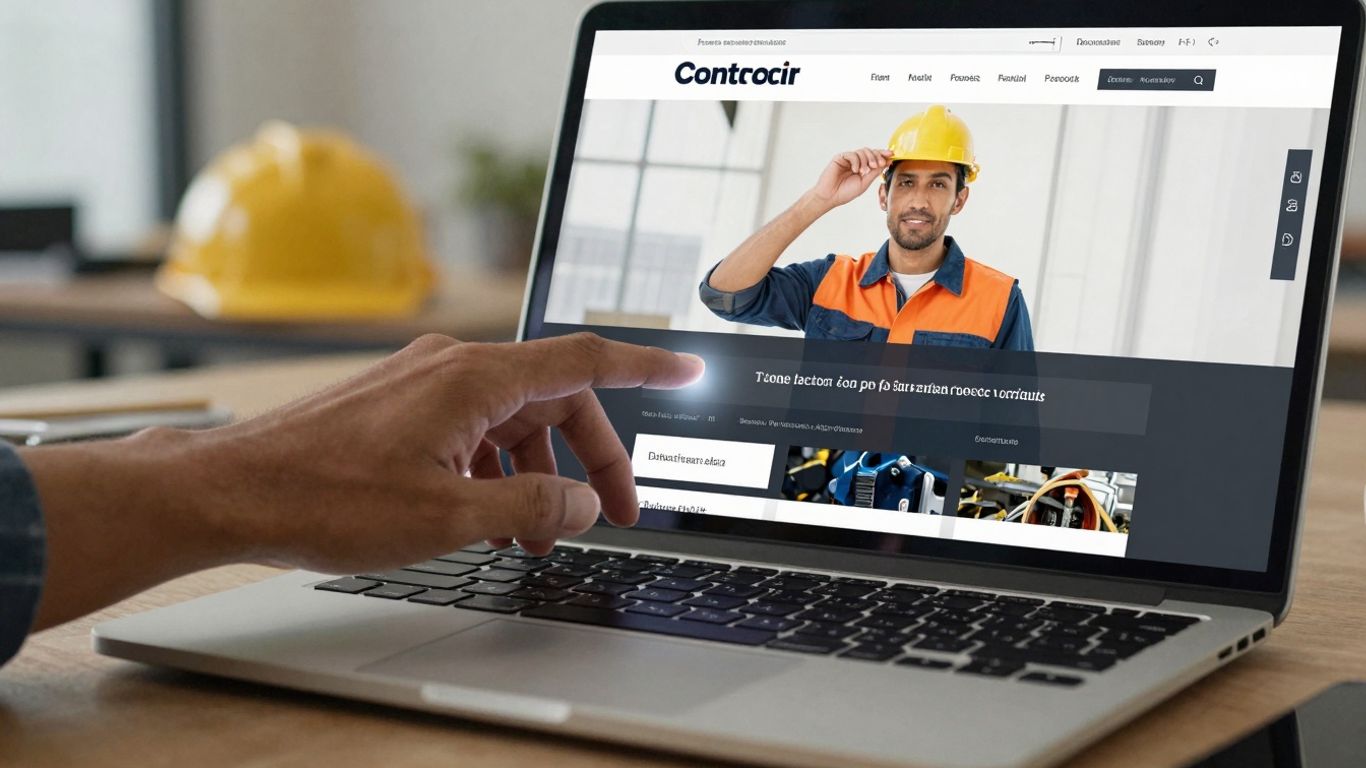
Our website is often the first place potential clients look when they need work done. Making sure it’s set up right from the start is key to getting them to contact us. We need to show them what we’re good at and make it easy for them to take the next step.
Showcasing Your Expertise and Services
Think about what makes us stand out. What kind of projects do we do best? We should clearly list all the services we provide, from small repairs to big renovations. Don’t just list them; briefly explain what each service involves. For example, under "Kitchen Remodeling," we could mention custom cabinetry, countertop installation, and appliance fitting. This helps people see if we’re the right fit for their specific needs.
We can also show off our past work. High-quality photos of completed projects are a must. Before-and-after pictures can be really effective. If we have a portfolio section, organize it by service type or project size. This way, a homeowner looking for a bathroom remodel can easily find examples of bathrooms we’ve redone.
Our website needs to answer the visitor’s main question: "Can this contractor do the job I need done, and do they do it well?"
Implementing Clear Calls to Action
Once we’ve shown people what we can do, we need to tell them what to do next. A clear call to action (CTA) guides them. We don’t want them to just look around and leave. We want them to reach out.
Here are some ways to do that:
- "Get a Free Quote" Button: Make this button prominent on every page, especially on service pages and the homepage. Use a contrasting color so it pops.
- "Schedule a Consultation" Link: For more involved projects, offer a consultation. This could be a button or a text link.
- Contact Information: Make sure our phone number and email address are easy to find, ideally in the header and footer of every page.
- Contact Form: A simple form on a dedicated "Contact Us" page is also good. Keep the fields to a minimum – name, email, phone, and a brief message box.
We should make sure every page encourages the visitor to take one specific action. It’s better to have one clear CTA per page than to confuse visitors with too many options. For instance, a blog post about deck building might end with a CTA to "Request a Deck Building Estimate" rather than asking them to call for any service.
Nurturing Website Visitors into Paying Clients
So, you’ve got people visiting your contractor website. That’s great! But just having them click around isn’t the end goal, right? We need to turn those clicks into actual jobs. This part is all about making sure visitors feel confident enough to pick up the phone or fill out a form. It’s about building trust and making it easy for them to take the next step.
Leveraging Testimonials and Case Studies
People want to see that you’ve done good work before. Showing off past projects and happy clients is a big part of that. Think about it: when you’re looking for a contractor, you want proof you’re not going to end up with a mess.
- Gather client feedback: Ask your satisfied customers if they’d be willing to share their thoughts. A simple email after the job is done can go a long way.
- Showcase before-and-after photos: For renovation or repair jobs, visuals are powerful. Seeing the transformation really drives the point home.
- Write up short case studies: Briefly describe the problem the client had, what you did, and the positive outcome. This tells a story.
Here’s a quick look at what clients often say:
| Service Type | Client Satisfaction Score (1-5) | Likelihood to Recommend |
|---|---|---|
| Kitchen Remodel | 4.8 | 95% |
| Bathroom Update | 4.5 | 90% |
| New Deck Build | 4.9 | 98% |
Don’t just collect these; put them where people can easily find them. A dedicated ‘Testimonials’ or ‘Projects’ page is a good start, but sprinkling them throughout your site, especially on service pages, can be even more effective. It’s like having a satisfied customer vouch for you right when someone is considering a specific service.
Streamlining Your Contact and Consultation Process
Once someone is interested, we don’t want them getting stuck. Making it simple to get in touch and schedule that first meeting is key. If it’s too complicated, they might just leave and find someone else.
- Make contact info obvious: Your phone number and email should be easy to spot on every page, usually in the header or footer.
- Use a simple contact form: Keep the fields to a minimum. Just name, email, phone, and a brief message is usually enough to start.
- Offer clear next steps: Tell people what happens after they contact you. Will you call them back within 24 hours? When can they expect a consultation?
We’ve found that a clear process looks something like this:
- Visitor submits contact form or calls.
- We respond within one business day to gather more details.
- We schedule an in-person or virtual consultation.
- A detailed quote is provided shortly after the consultation.
The easier we make it for potential clients to connect with us, the more likely they are to become actual clients. It’s about removing friction at every stage of their journey on our website.
Putting It All Together
So, we’ve talked about how your website can really work for you, turning people who are just looking into folks who want to hire you. It’s not just about having a site; it’s about making it do the heavy lifting. Think about what we covered: making your services clear, showing off your past work, and making it super easy for people to get in touch. When you get these parts right, your website becomes a powerful tool. It works all day, every day, to bring in those leads. We believe that by focusing on these simple, practical steps, you can build a website that consistently brings in new business. Go ahead and make those changes; your future clients are waiting.
Frequently Asked Questions
How can we make our contractor website better at getting new leads?
To get more people interested in our services, we should clearly show what we’re good at and the jobs we can do. We also need to make it super easy for visitors to know what to do next, like clicking a button to get a quote or call us.
What’s the best way to turn website visitors into actual clients?
We can convince people to hire us by showing off happy customers and examples of our past work. Making it simple for them to reach out for a chat or to schedule a meeting is also key. If it’s easy to connect, they’re more likely to become clients.
Why is having good testimonials and case studies important on our website?
Real stories from people we’ve helped build trust. When potential clients see that others were happy with our work, they feel more confident about choosing us too. It’s like getting a recommendation from a friend, but for our business.