Hail and wind season can be a busy time for contractors. When storms hit, homeowners start looking for help fast. We’ve found that using Google Maps can really make a difference in getting our name out there when people need us most. It’s about making sure we show up when someone searches for help after a storm. This guide talks about how we can use Google Maps to connect with people needing storm damage repairs.
Key Takeaways
- We can make our Google Business Profile stand out for storm damage by adding details about hail and wind repairs and keeping our hours current. This helps homeowners find us when they need immediate assistance.
- Using Google Maps Ads lets us target specific neighborhoods that have been hit by storms. This means our contractor storm damage marketing reaches people who actually need our services right away.
- Getting more reviews and photos on our Google Maps listing builds trust. Positive feedback and pictures of our work help us rank higher in local searches, making it easier for homeowners to choose us for their storm damage needs.
Leveraging Google Maps For Contractor Storm Damage Marketing
When hail and wind season hits, homeowners are looking for reliable contractors, fast. Google Maps is often the first place they turn. We need to make sure we’re visible when they need us most. This means getting our business profile dialed in and using ads effectively to connect with people in storm-affected areas.
Optimizing Your Google Business Profile For Hail And Wind Season
Our Google Business Profile (GBP) is like our digital storefront on Google Maps. For storm damage, we need to make sure it’s shouting about our storm repair services. First off, our business name and categories need to be spot-on. If we do roofing, siding, and window repair after storms, we need those listed. We should also add keywords like ‘hail damage repair,’ ‘wind damage contractor,’ and ‘storm damage restoration’ to our services section. This helps Google understand what we do when someone searches for it.
Next, we need to keep our hours updated, especially if we’re offering emergency services during storm events. Posting updates regularly is also a good idea. We can share photos of recent storm repairs we’ve completed, highlight our response times, or even post about safety tips for homeowners dealing with storm damage. This consistent activity signals to Google that our profile is active and relevant.
We also need to make sure our service area is correctly set. If a big storm hits a town 30 miles away, we want to show up in searches there if we service that area. It’s about being found by the right people at the right time.
Utilizing Google Maps Ads To Reach Homeowners In Affected Areas
While optimizing our organic listing is important, paid ads on Google Maps can give us an immediate boost, especially during busy storm seasons. We can run ads that specifically target homeowners who have recently experienced hail or wind damage. This is where geotargeting becomes really important.
We can set up ad campaigns to show up only in specific zip codes or towns that have reported storm activity. This way, our ad spend is focused on people who are actively looking for our services right now. For example, if a severe hailstorm just passed through a particular neighborhood, we can launch a campaign targeting that exact area.
Here’s a quick look at how we can structure these campaigns:
- Campaign Goal: Drive calls and leads for storm damage repair.
- Targeting: Specific zip codes or radius around recent storm events.
- Ad Copy: Focus on emergency services, quick response, and storm damage expertise.
- Keywords: ‘Roof repair after hail,’ ’emergency siding repair,’ ‘wind damage cleanup,’ etc.
We should also consider using call extensions in our ads. Homeowners dealing with storm damage often want to talk to someone immediately, and a click-to-call button makes it super easy for them to reach us directly from the map listing or search results.
Running targeted Google Maps ads during storm season isn’t just about spending money; it’s about strategic investment. We’re putting our business in front of homeowners who have a clear, immediate need for our services, maximizing our chances of getting those urgent calls and securing new projects when they matter most. It’s about being present when the storm hits, not after.
By combining a well-optimized Google Business Profile with smart, targeted Google Maps ads, we can significantly increase our visibility and attract more clients during the critical hail and wind season.
Maximizing Visibility On Google Maps During Peak Storm Season
When hail and wind storms hit, homeowners start looking for help fast. We need to make sure they find us. This means getting our business seen right when people are searching on Google Maps. It’s not just about being there; it’s about being the first one they see when they need repairs.
Geotargeting Strategies For Localized Contractor Storm Damage Marketing
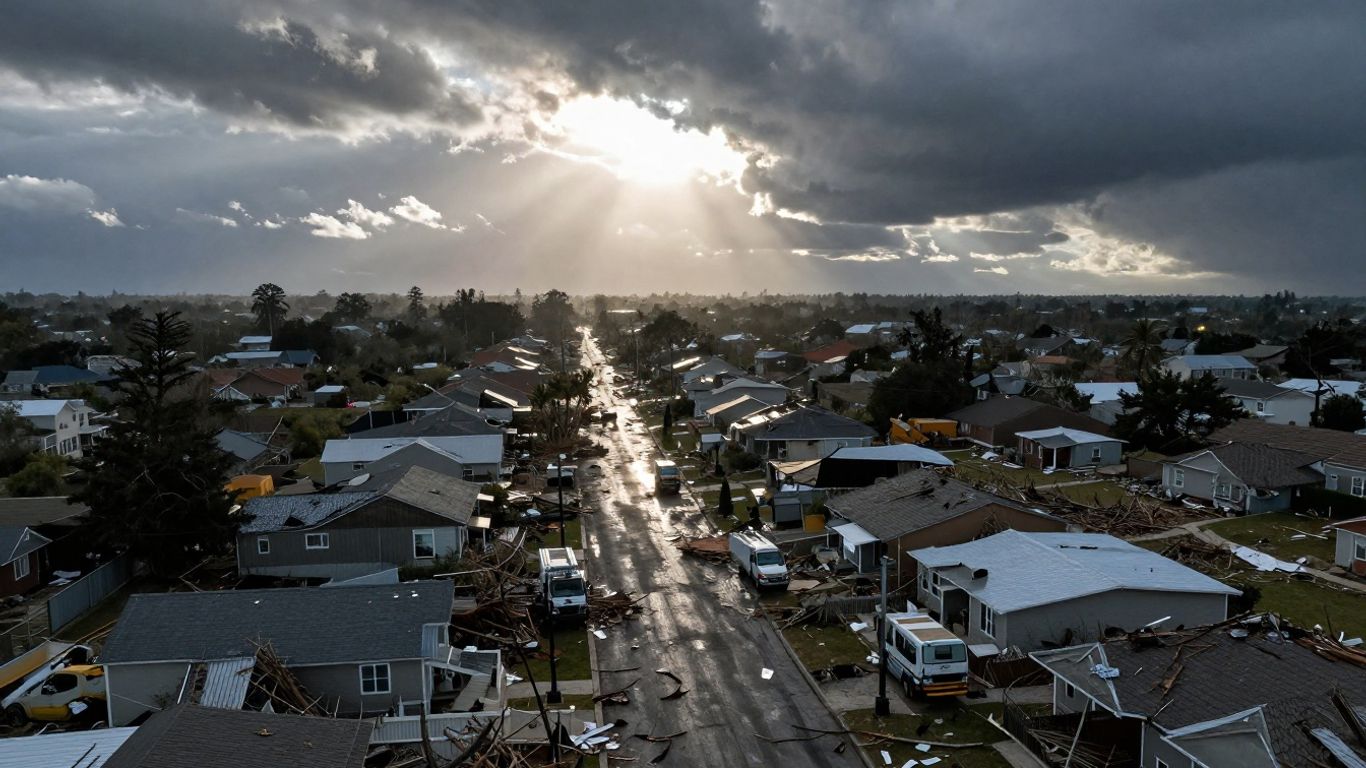
We can’t be everywhere at once, and that’s okay. With Google Maps, we can focus our efforts where they matter most. Think about the areas that were hit hardest by the storm. That’s where we want our ads and our business listing to show up.
- Identify Affected Zip Codes: After a storm, we should check local news and weather reports to see which neighborhoods or towns experienced the worst damage. These are our prime targets.
- Set Up Radius Targeting: In our Google Ads, we can set a specific radius around these affected areas. This way, our ads only show to people who are physically located there, meaning they are more likely to need our services right now.
- Adjust Bids Based on Location: We might want to bid a little higher for clicks coming from the most damaged areas. This helps push our listing higher up in the search results for those homeowners.
- Use Location Extensions: Make sure our Google Business Profile has our correct service area listed, and use location extensions in our ads. This shows our physical location or service area directly on the ad, giving people more confidence.
Being precise with our targeting means we don’t waste money showing ads to people who aren’t in a position to hire us. It’s about smart spending and reaching the right eyes at the right time.
Encouraging Reviews And Photos To Boost Local Search Rankings
Once we’re visible, we need to build trust. People look at reviews and pictures before they call. We need to make it easy for happy customers to share their good experiences.
- Ask for Reviews Promptly: After finishing a job, we should ask the homeowner if they’d be willing to leave a review on Google. A quick text or email with a link can make a big difference.
- Request Before-and-After Photos: Pictures speak volumes. If a customer is happy with the repair, ask if we can take photos of the completed work. These visuals on our Google Business Profile show potential customers the quality of our work.
- Respond to All Reviews: Whether it’s a good review or a not-so-good one, we should respond professionally and quickly. This shows we care about customer feedback and are engaged.
- Keep Photos Updated: Regularly adding new photos of recent projects, especially storm damage repairs, keeps our profile looking fresh and active. This tells Google and potential customers that we are busy and experienced.
A strong collection of recent, positive reviews and clear photos of our work is one of the best ways to stand out on Google Maps. It builds credibility and makes us the obvious choice when homeowners are stressed and need reliable help after a storm.
Wrapping Up Our Google Maps Strategy
So, we’ve talked about how using Google Maps can really help your contracting business, especially when the weather gets rough with hail and wind. It’s not just about finding jobs, but about getting to them quickly and showing clients you’re on top of things. We think that by putting these simple map strategies to work, you’ll find more work and get to your customers faster when they need you most. It’s a tool that’s right there, ready to help. Let’s make sure we’re using it to its full potential this season and beyond.
Frequently Asked Questions
How can we make sure homeowners see us on Google Maps when storms hit?
To get noticed when bad weather strikes, we need to make our Google Business Profile shine. This means keeping all our information up-to-date, like our phone number and service area. We should also add photos of storm damage repairs we’ve done. Think of it as making our online storefront look its best right when people need us most.
What’s the best way to use Google Maps ads to find customers after a storm?
We can use Google Maps ads to target people in areas that have just been hit by hail or strong winds. This way, our business shows up when someone searches for help with storm damage right in their neighborhood. It’s like putting up a sign right where the problem is, so folks know we’re nearby and ready to help fix their homes.
Why are customer reviews and photos so important for our Google Maps ranking?
Positive reviews from happy customers act like glowing recommendations. When people see good reviews and pictures of our work on our Google Maps listing, they trust us more. This helps us show up higher in search results, making it easier for homeowners dealing with storm damage to find and choose us.