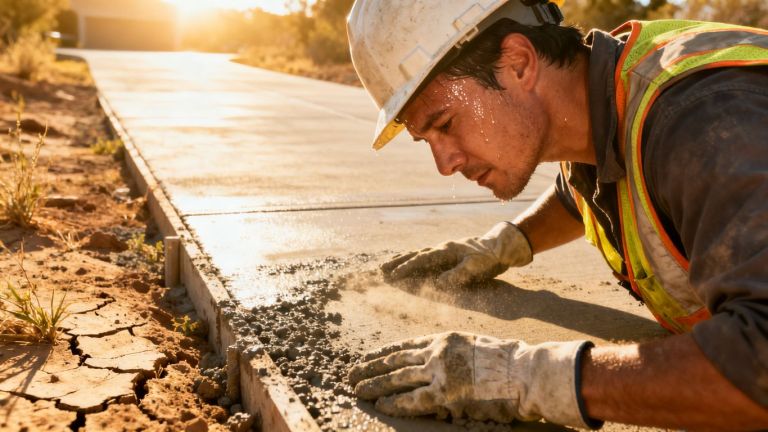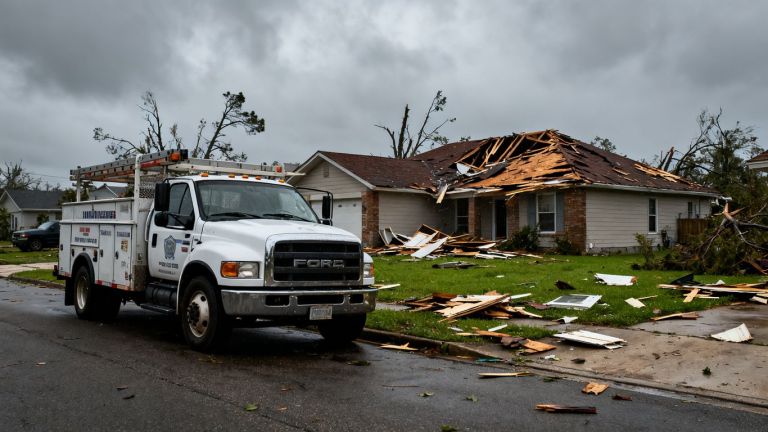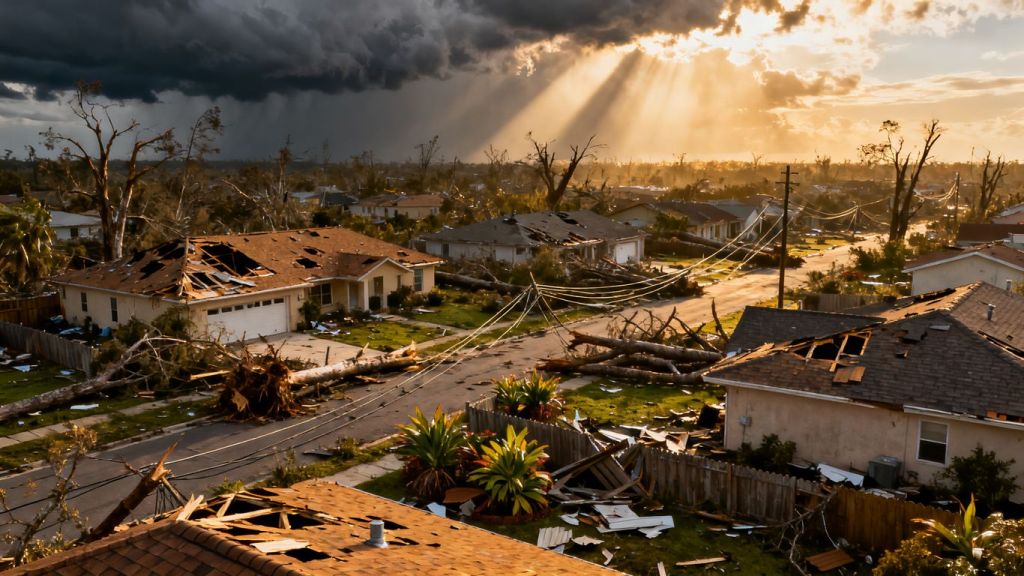
When severe weather hits, the aftermath can leave behind a path of destruction. We often find ourselves dealing with damage we didn’t expect. This guide is here to help us understand what to do next, especially when it comes to finding the right storm damage repair contractors to fix things up.
Key Takeaways
- We need to know the common kinds of storm damage so we can tell what needs fixing.
- Knowing when to call in professional storm damage repair contractors is important for getting the job done right.
- We should look for specific things and ask good questions when picking storm damage repair contractors to make sure we get reliable help.
Understanding Your Storm Damage Repair Needs
When severe weather hits, it can leave a trail of destruction. We often find ourselves dealing with damage we didn’t anticipate. It’s important to know what to look for so we can get things fixed properly.
Identifying Common Types of Storm Damage
Storms can cause a variety of problems for our homes and businesses. We’ve seen everything from wind damage that rips off shingles to hail that leaves dents on siding and windows. Heavy rain can lead to water damage, causing leaks in the roof or basement flooding. Ice dams can form in colder months, pushing water under shingles and into the attic. Even lightning strikes, though less common, can cause significant structural damage or electrical fires.
Here are some common signs we should look out for:
- Roof Damage: Missing shingles, cracked tiles, or dents from hail.
- Siding Damage: Cracks, holes, or loose sections of siding.
- Window Damage: Broken panes, cracked glass, or damaged frames.
- Water Intrusion: Stains on ceilings or walls, damp insulation, or musty smells.
- Structural Issues: Visible cracks in foundations, walls, or sagging roofs.
Knowing these signs helps us assess the situation quickly.
When To Call Storm Damage Repair Contractors
Sometimes, storm damage is minor and might seem like something we can handle ourselves. However, many issues require professional attention. If you see any of the damage types listed above, especially if it looks serious or you’re unsure about the extent of the problem, it’s time to call in the experts. Trying to fix major structural issues or extensive water damage without the right knowledge and tools can actually make things worse and more expensive in the long run. We recommend contacting a contractor if:
- There’s visible damage to your roof or siding.
- You suspect water has entered your home.
- There are any concerns about the structural integrity of your property.
It’s always better to err on the side of caution when it comes to storm damage. A professional can give you an accurate assessment and prevent small problems from becoming big ones.
Choosing the Right Storm Damage Repair Contractors
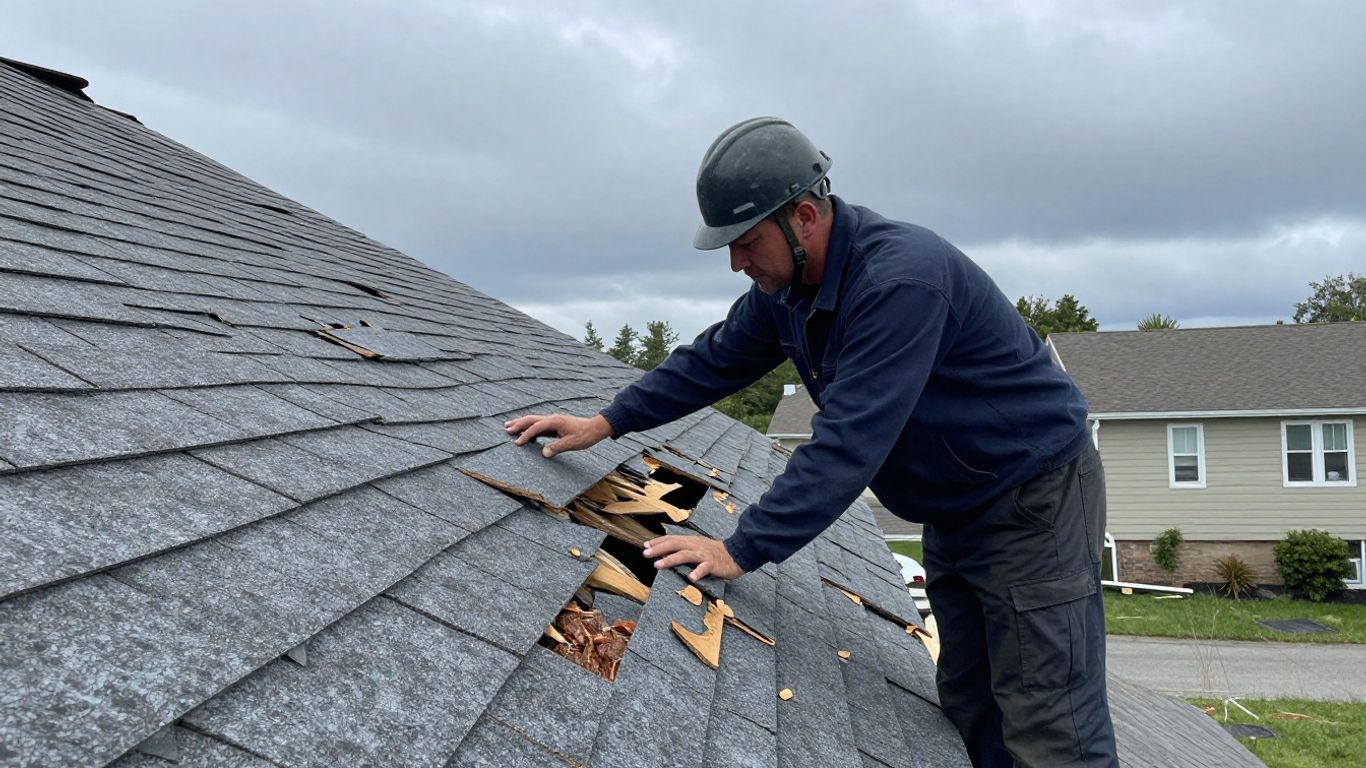
After a storm hits, the damage can be overwhelming. You’ll want to get things fixed quickly, but picking the right contractor is a big decision. We’ve seen a lot of situations, and we know how important it is to find someone you can trust. Making the wrong choice can lead to more problems down the road, costing you time and money.
What To Look For In A Storm Damage Repair Contractor
When you’re looking for a contractor, there are a few key things we always suggest keeping in mind. It’s not just about who can do the job; it’s about who will do it right and treat you fairly.
- Local Presence: A contractor based in your area is usually a good sign. They know the local building codes and weather patterns. Plus, if there are any issues later, they’re easier to reach.
- Proper Licensing and Insurance: This is non-negotiable. Make sure they have the correct licenses to operate in your state and city. They should also carry general liability insurance and workers’ compensation. Ask for proof!
- Good Reviews and References: Check online reviews on sites like Google or the Better Business Bureau. Don’t hesitate to ask for references from past clients, especially those who had similar storm damage.
- Clear Communication: A good contractor will explain the process, the timeline, and the costs clearly. They should be responsive to your questions and concerns.
- Written Estimates: Always get a detailed, written estimate before any work begins. It should break down the costs for labor, materials, and any permits needed.
Questions To Ask Potential Storm Damage Repair Contractors
Once you’ve narrowed down your list, it’s time to ask some direct questions. This helps you compare different companies and get a feel for their professionalism.
- How long have you been in business, specifically doing storm damage repair?
- Are you licensed and insured? Can I see proof of your insurance?
- Do you have experience with the specific type of damage my property sustained?
- Can you provide a list of references from recent storm damage projects?
- What is your process for handling permits?
- Will you be using subcontractors? If so, how do you vet them?
- What is your warranty or guarantee on workmanship and materials?
- What is the estimated timeline for the repairs?
- How will you handle communication throughout the project?
- What are the payment terms?
Remember, you’re not just hiring someone to fix your roof or your siding. You’re bringing someone into your home during a stressful time. Trust your gut. If something feels off, it probably is. Take your time, do your homework, and choose a contractor who makes you feel comfortable and confident.
Here’s a quick look at what to expect regarding estimates:
| Item | Estimated Cost | Notes |
|---|---|---|
| Roof Repair | $5,000 – $15,000 | Depending on material and extent |
| Siding Replacement | $8,000 – $20,000 | Per side, material dependent |
| Window Replacement | $300 – $1,000 | Per window, type and size vary |
| Gutter Repair/Replace | $1,000 – $3,000 | Based on linear feet and material |
| Emergency Tarping | $500 – $1,500 | Temporary measure until permanent fix |
Wrapping Up Our Storm Damage Chat
So, we’ve gone over a lot about storm damage and how to get your contracting business noticed online. It might seem like a lot to take in, but remember, the goal is to help people when they’re in a tough spot. By putting out clear, helpful answers to their questions, we can build trust and show we’re the ones to call. Think of it as being a good neighbor, but with a website. We want to make sure that when someone searches for help after a storm, they find us easily and know we’re here to fix things right. Let’s keep putting out that good information.
Frequently Asked Questions
What kinds of damage can storms cause to our home?
Storms can bring a lot of trouble. We often see roofs getting damaged by strong winds or hail, which can lead to leaks. Heavy rain can cause flooding in basements or lower levels. Sometimes, strong winds can even knock down trees or branches, which might hit our houses, breaking windows or damaging siding. Ice can also build up and cause problems, especially with gutters.
When should we think about calling in storm damage repair experts?
It’s a good idea to call for help as soon as you notice any damage after a storm. If you see missing shingles on your roof, water stains inside your home, or if parts of your house seem broken, it’s time to reach out. Waiting too long can make the damage worse and more expensive to fix. We recommend a quick check of your property after any big storm.
What should we look for when picking someone to fix storm damage?
When choosing a repair company, we want to make sure they are trustworthy and skilled. Look for companies that have good reviews and have been in business for a while. It’s also important that they are licensed and insured, which protects us. We should ask if they have experience with the specific type of storm damage we’ve experienced. Getting a written estimate is also a smart step to understand the costs involved.