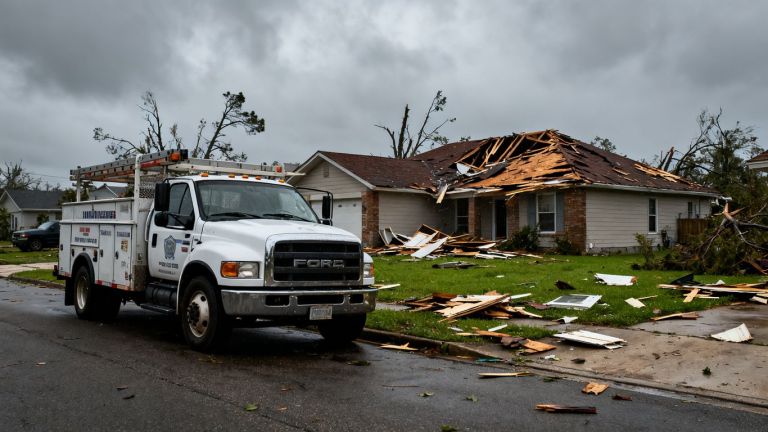
When severe weather hits unexpectedly, the calls start coming in. We’ve all seen those sudden storm spikes that flood our inboxes and voicemails with urgent requests. Handling these contractor storm damage leads effectively during these busy times is key to keeping our businesses running smoothly and helping people who need repairs fast. This guide lays out a plan to make sure we’re ready, from the moment the storm passes to signing up new clients.
Key Takeaways
- We need a solid plan for when storm damage leads pour in. This means setting up clear ways to talk to each other and knowing who does what, so no one is left scrambling when the calls start.
- Getting these contractor storm damage leads quickly and figuring out if they’re a good fit is important. Using systems that catch leads right away and having a simple way to ask the right questions helps us sort through them fast.
- Turning these urgent requests into paying customers requires focus. We should go after the leads that seem most ready to hire us and make the first meeting as easy and quick as possible.
Mobilizing Your Team For Rapid Contractor Storm Damage Lead Response
When a sudden storm hits, our phones start ringing off the hook. It’s a chaotic time, but it’s also our biggest opportunity. We need to be ready to move fast. This means getting our team organized and prepared before the storm even shows up on the radar.
Establishing Clear Communication Channels
During a storm spike, clear communication is everything. We can’t afford to have messages getting lost or misunderstood. We need a system that works, even when cell towers are overloaded or power is out.
- Designated Communication Hub: We’ll set up a central point for all storm-related communications. This could be a dedicated group chat, a specific email alias, or even a simple shared document that everyone can access.
- Backup Systems: We’ll have a plan for when our primary communication methods fail. This might include using satellite phones for key personnel or having a pre-arranged check-in schedule via text if data is down.
- Regular Updates: We need to establish a rhythm for updates. This means daily briefings at minimum, and more frequent check-ins during the peak of the storm response.
We must make sure everyone knows who to talk to and what information needs to be shared. This isn’t the time for guesswork.
Pre-Defining Roles and Responsibilities
When the calls start coming in, we can’t waste time figuring out who does what. Everyone needs to know their job. This makes our response quicker and more efficient.
Here’s how we’ll break it down:
- Lead Intake Specialist: This person is the first point of contact for new leads. They’ll gather initial information and log it into our system.
- Damage Assessment Coordinator: This role focuses on scheduling and dispatching crews to assess the damage. They’ll need to know crew availability and location.
- Customer Service Liaison: This person will handle follow-up communication with clients, answer questions, and manage expectations.
- Logistics Manager: This individual will ensure crews have the necessary equipment, materials, and transportation.
We’ll create a simple chart to show who is responsible for what during a storm event. This way, there’s no confusion, and we can get to work helping people right away.
Capturing And Qualifying Contractor Storm Damage Leads Effectively
When a storm hits hard, leads start pouring in. We need to be ready to catch them all. This means having systems in place that work fast.
Implementing Real-Time Lead Capture Systems
We can’t afford to miss a single inquiry during a storm spike. That’s why we’ve set up ways to grab leads the moment they come in. Think about online forms on our website that are super easy to find and fill out, even on a phone. We also use dedicated phone lines that are always answered, or at least have a clear voicemail system that alerts us immediately. Some of our team members even monitor social media for direct messages or comments mentioning storm damage. The goal is to get the contact information and the basic problem as quickly as possible.
Here’s a quick look at what we use:
- Website Forms: Simple, mobile-friendly forms that send an alert straight to our sales team.
- Dedicated Phone Lines: Ring directly to our storm response team or a specialized answering service.
- CRM Integration: All new leads automatically feed into our customer relationship management system.
- Social Media Monitoring: Tools that flag keywords like ‘hail damage’ or ‘roof leak’ in our area.
Developing a Quick Qualification Framework
Once we have a lead, we need to figure out if they’re a good fit and how urgent their need is. We don’t have time for long, drawn-out conversations at this stage. We need a simple way to ask a few key questions that tell us what we need to know.
Our quick qualification process looks something like this:
- Confirm Location: Is the property within our service area?
- Identify Damage Type: What kind of storm damage are they experiencing (e.g., roof, siding, windows)?
- Assess Urgency: How severe is the damage? Is there active leaking? Is it a safety hazard?
- Determine Decision-Maker: Are they the homeowner, renter, or property manager?
- Check Insurance: Do they plan to file an insurance claim?
We’ve found that a simple checklist helps our team stay focused. It prevents us from getting bogged down in details that aren’t important right now. The faster we can get this basic info, the faster we can move them to the next step or know if it’s not a fit.
We also use a simple scoring system to help prioritize. For example, a homeowner with active roof leaks and plans to use insurance might get a higher score than a renter with minor siding damage who isn’t sure about insurance. This helps us know where to focus our immediate efforts.
Converting Urgent Contractor Storm Damage Leads Into Customers
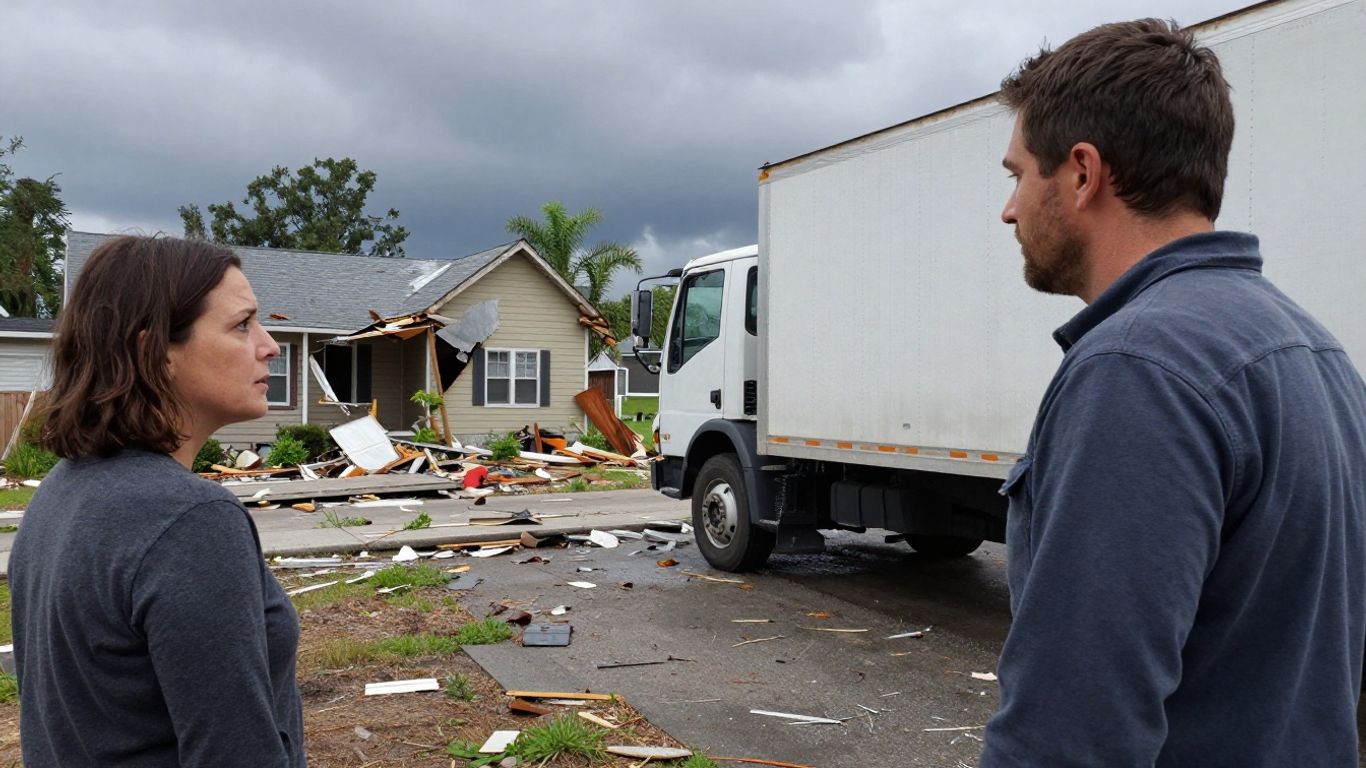
Once we’ve got those storm damage leads coming in hot, the next big step is turning them into actual jobs. This isn’t just about answering the phone; it’s about acting fast and smart. We need to make sure the people who call us feel heard and know we can help, especially when their homes are at risk.
Prioritizing High-Intent Inquiries
Not all leads are created equal, especially during a storm. Some folks are just curious, while others have water pouring into their living room and need someone now. We’ve found that focusing our energy on those who show clear signs of needing immediate help pays off the most. We look for keywords in their messages or what they say on the phone, like "burst pipe," "roof leak," or "emergency repair." If someone mentions they’ve already had water damage or are worried about mold, that’s a big flag for us to jump on.
Here’s a quick way we sort them:
- Immediate Need: Water damage, structural issues, active leaks. These go to the top of the list.
- Urgent but Not Critical: Damaged siding, broken windows, minor roof damage. We still move fast, but maybe not within the hour.
- Future Need/Information: Quotes for non-urgent repairs, general questions about services. We’ll get back to them, but after the emergencies are handled.
We’ve learned that a simple, quick triage system can make a huge difference in how many leads we actually convert. It’s about putting our resources where they’ll do the most good, right when it’s needed most.
Streamlining the Initial Consultation Process
When we connect with a high-intent lead, we can’t waste time. The goal of the first call or visit is to assess the damage, give a clear picture of what needs to be done, and build trust. We’ve developed a standard checklist to make sure we cover all the bases without getting bogged down.
Our process usually looks like this:
- Quick Assessment: Get the basic details over the phone – what happened, where is the damage, how bad does it seem? We might ask for a few quick photos if they can send them.
- Schedule Site Visit: If it sounds serious, we aim to get someone out there within a few hours, or at the latest, the next morning. We give them a tight arrival window so they aren’t waiting around all day.
- On-Site Evaluation: Our team member walks through, takes detailed notes and pictures, and explains the damage in plain terms. No fancy jargon.
- Provide Clear Estimate: We aim to give a straightforward estimate right then and there, or within a very short timeframe. Transparency is key here.
- Discuss Next Steps: Clearly outline what happens next, including timelines and payment options. Making the customer feel confident and informed is our top priority.
By having a clear, repeatable process for these urgent calls, we can handle more storm damage leads effectively and help more people when they’re in a tough spot.
Wrapping Up Our Storm Response Plan
So, we’ve gone over how to handle those sudden rushes of leads when a storm hits. It’s not easy, but having a plan makes a big difference. We talked about getting ready beforehand, how to react fast when the calls start coming in, and what to do after the storm has passed. We hope this helps you manage those busy times better. Remember, quick responses mean happier customers and more business, even when the weather is wild. Keep practicing these steps, and you’ll be ready for whatever the skies throw your way.
Frequently Asked Questions
What’s the first thing we should do when a big storm hits and lots of people need help?
When a storm causes a lot of damage, our first step is to make sure everyone on our team knows what’s happening and who’s doing what. We need to have clear ways to talk to each other, like a group chat or quick check-ins, so we can respond fast. Also, we should decide beforehand who will handle calls, who will go out to look at damage, and who will talk to customers. This way, we don’t waste time figuring things out when people are waiting.
How can we quickly figure out if someone calling us really needs our help right away?
To catch leads quickly, we should use tools that let us know the second someone contacts us, maybe through our website or a quick online form. Once we get a lead, we need a simple way to ask a few key questions to see how urgent their problem is. For example, is their roof leaking badly, or is there a safety issue? This helps us know who needs us the most, right now.
Once we know someone needs us, how do we make sure they become a customer without any delays?
For people who sound really ready to hire us, we should try to talk to them as soon as possible. We want to schedule a visit or a call to discuss their needs right away. Making the process of setting up that first meeting super easy and quick is key. If we can get out there, assess the damage, and explain our plan fast, they’re much more likely to choose us to fix their storm damage.