April showers can bring more than just May flowers; they can also bring opportunities for roofing contractors. When severe weather hits, it often leaves a trail of damage that homeowners need to address. This can be a prime time for roofing contractor lead generation if we know where to look and how to approach potential clients. We’ll explore how to spot properties that might need attention after a storm and how to talk to homeowners about getting their roofs fixed.
Key Takeaways
- After a storm, look for signs of damage on homes, like missing shingles or dented gutters, to find potential clients needing roof repairs. This is a direct way to generate roofing contractor leads.
- When talking to homeowners after bad weather, focus on how you can help fix their problems and protect their homes, rather than just selling your services. Building trust is important.
- Being prepared before storms hit and having a good online presence means people can find you easily when they need immediate help with their roofs.
Leveraging Storm Damage For Roofing Contractor Lead Generation
When severe weather hits, it presents a unique opportunity for us as roofing contractors. We can step in and help homeowners who are dealing with the aftermath. It’s not just about fixing roofs; it’s about providing a solution when people need it most.
Identifying Potential Storm-Damaged Properties
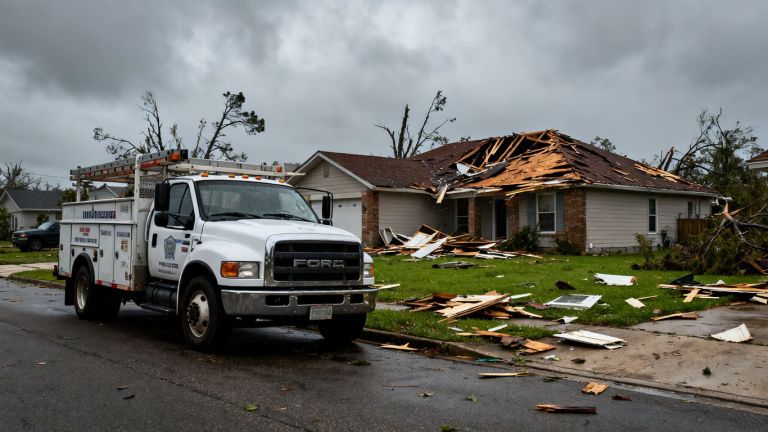
Spotting homes that might have storm damage requires a bit of detective work. After a big storm, we need to be out there, looking for the signs. This means driving through neighborhoods that were in the direct path of the hail or high winds.
- Look for obvious signs: Missing shingles, dented gutters, or debris on the lawn are clear indicators.
- Check for neighborly damage: If one house has damage, chances are others on the same street do too.
- Consider the storm’s path: Focus your efforts on areas that experienced the most intense weather.
We can also use weather reports and local news to pinpoint the hardest-hit areas. Sometimes, a quick drive-through after the storm passes is all it takes to see where the real need is.
It’s important to approach these homeowners with empathy. They’re likely stressed and worried about their property. Our goal is to offer help, not to pressure them.
Communicating Value After Severe Weather
Once we’ve identified potential clients, how we communicate with them makes all the difference. We need to show them why choosing us is the right decision, especially after a stressful event like a storm.
- Be prompt: The sooner we can get to a property for an inspection, the better. This shows we’re ready to help.
- Explain the damage clearly: Use simple terms to describe what needs to be done and why. Photos can be very helpful here.
- Discuss insurance: Many homeowners will be dealing with insurance claims. We can guide them through this process, explaining what their policy might cover.
Our aim is to be a trusted resource, not just another contractor. We want homeowners to feel confident that we can handle their repairs efficiently and effectively. This builds trust, which is key for getting quality leads and completing successful projects.
Proactive Strategies For Post-Storm Roofing Leads
After a big storm rolls through, it’s easy to just react to the damage. But we’ve found that being ready before the next one hits, or even right after, can make a huge difference in getting good leads. It’s about showing people we’re here to help, not just when things are bad, but also when they’re thinking about what comes next.
Building Community Trust Through Storm Preparedness
We think a lot about how to be a good neighbor, especially when the weather gets rough. It’s not just about fixing roofs; it’s about being a reliable part of the community. We’ve started doing a few things to build that trust.
- Community Workshops: We host free, informal sessions on how homeowners can do a basic check of their own roofs and gutters after a storm. We show them what to look for – loose shingles, clogged gutters, signs of hail damage. It’s about education, not selling.
- Local Event Sponsorship: Sponsoring a local little league team or a community fair might seem unrelated, but it puts our name out there in a positive way. People remember the company that supports their town.
- Informational Mailers: We send out simple flyers before storm season hits, with tips on how to prepare their homes and who to call if they suspect damage. No hard sell, just helpful advice.
Being visible and helpful when there isn’t an emergency makes people think of us first when there is.
Optimizing Online Presence For Immediate Inquiries
When a storm does hit, people are online looking for help, fast. We need to make sure we’re easy to find and that our website tells them exactly what they need to know.
- Website Updates: We make sure our website clearly states we handle storm damage repairs. We add a prominent banner right after a storm warning or event, letting people know we’re available.
- Local SEO: We focus on making sure our business shows up when someone searches for "roof repair near me" or "hail damage roof [your town]". This means keeping our online listings accurate and getting good reviews.
- Social Media: We post updates about storm preparedness and what to do if damage occurs. We also share photos (with permission) of completed repairs, showing our work and reassuring potential clients.
Our goal is to be the first and easiest choice for homeowners needing storm-related repairs. This proactive approach helps us stand out when people are stressed and need reliable service.
Wrapping Up
So, we’ve talked about how those spring showers can actually be a good thing for our businesses. It’s not just about waiting for the damage to happen; we can get ahead of it. By being ready and knowing where to look, we can turn a messy situation into a real opportunity. Think about it – people are already worried about their roofs when the weather gets bad. If we’re there with the right message, showing we can help, we’re going to get noticed. It’s about being smart and using what nature gives us, even the not-so-great parts, to connect with folks who need us. Let’s get out there and make it happen.
Frequently Asked Questions
How can we find homes that might have storm damage?
We can look for signs that the weather has been rough, like hail or strong winds, in certain neighborhoods. Sometimes, insurance companies even let us know about areas that have had a lot of claims. We also pay attention to local weather reports to guess where the worst damage might be.
What’s the best way to talk to homeowners after a storm?
After a big storm, it’s important to reach out kindly and let people know we’re here to help. We want to explain that we can check their roof and other outside parts of their house for free to see if the storm caused any problems. Showing them we care about their safety and home is key.
How can we get people to contact us when they need roof repairs?
We make sure our information is easy to find online, like on our website and social media. We also try to be known in our community by helping out and being reliable. This way, when a storm hits, people remember us and know they can trust us to fix their homes.