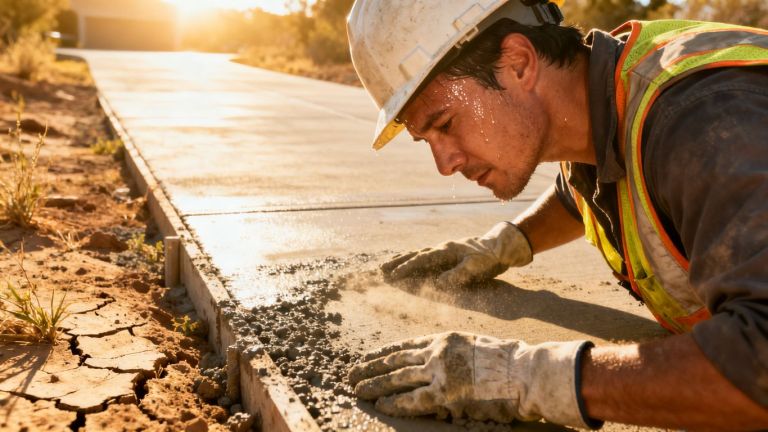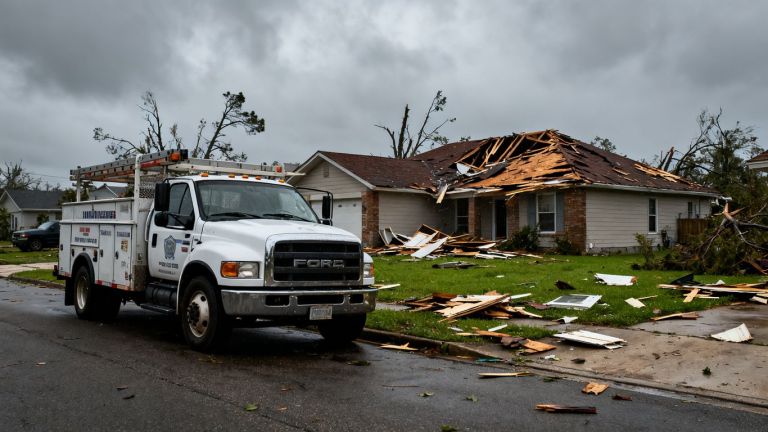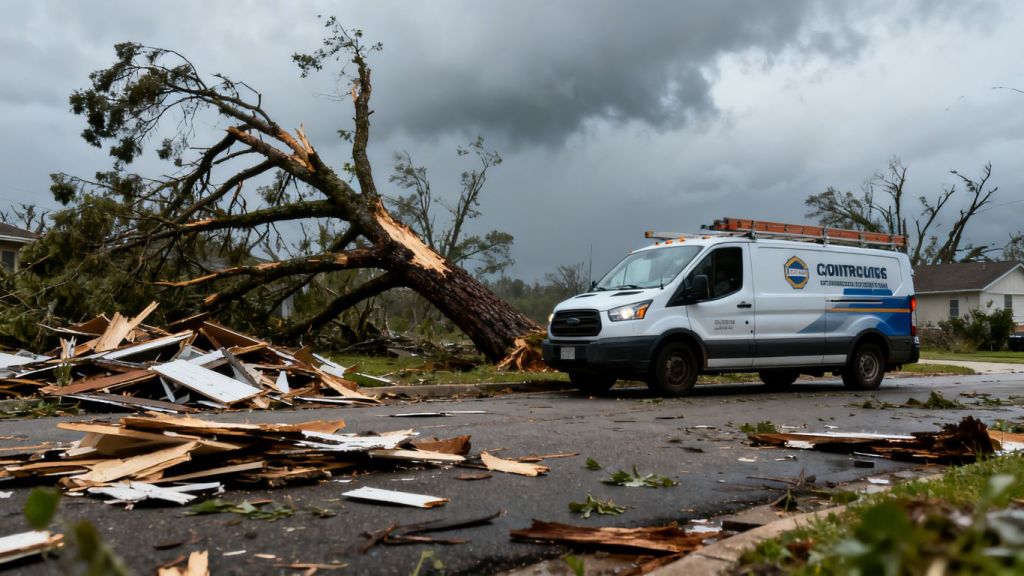
When storms hit, homeowners need help fast. We’ve found that setting up special pages on our website can really help us grab those urgent calls. These pages are designed to be super clear and get people to contact us right away when they’re dealing with storm damage. It’s all about making it easy for them to find us when they need us most, and for us to get those emergency contractor leads.
Key Takeaways
- We can get more emergency contractor leads by creating simple, clear landing pages specifically for storm situations.
- Making sure our pages load quickly and have obvious contact information is important when people are stressed.
- Using direct language that shows we can help immediately and making it easy to call us helps capture leads when it matters.
Capturing Emergency Contractor Leads During Storms
When severe weather hits, homeowners are in a panic. They need help, and they need it fast. This is where we, as contractors, have a real chance to step in and provide that much-needed service. But how do we make sure they find us when they’re scrambling for a roofer after a hailstorm or a plumber because the basement is flooding? It all comes down to having the right tools in place, and for immediate needs, that means a well-built storm response landing page.
Designing High-Converting Storm Response Landing Pages
Think of your landing page as the digital front door that opens during an emergency. It needs to be clear, direct, and easy to use, especially when someone is stressed. We want to make it as simple as possible for them to get the help they need without any extra hassle.
Here’s what we should focus on:
- Clear Headline: Right at the top, state exactly what you do. Something like "Emergency Roof Repair Available Now" or "24/7 Flood Damage Cleanup." No confusion allowed.
- Visible Contact Information: Phone numbers should be large and clickable on mobile. An email form is good, but a phone number is often faster in a crisis.
- Service Area: Clearly list the towns or counties you serve during storm emergencies. People need to know if you can actually get to them.
- Trust Signals: Include any certifications, awards, or testimonials that show you’re reliable. This builds confidence quickly.
- Mobile-First Design: Most people will be on their phones. The page has to look and work perfectly on a small screen.
The goal is to reduce friction and get them to contact us with minimal effort.
Optimizing Landing Pages for Emergency Contractor Leads
Just having a page isn’t enough; we need to make sure it’s set up to grab those leads effectively. This means thinking about what someone in distress is looking for and how we can best present ourselves as the solution.
Consider these points:
- Urgency Messaging: Use phrases that acknowledge the emergency. "Storm damage? We’re on our way." or "Act fast to prevent further damage." This shows we understand their situation.
- Simple Forms: If you use a form, keep it short. Name, phone number, and a brief description of the problem are usually all we need to start.
- Fast Load Times: In a storm, internet connections can be spotty. A slow-loading page will lose potential clients.
- Geo-Targeting: If possible, tailor the page content or ads to the specific area experiencing the storm. This makes the message more relevant.
We need to remember that people searching for emergency services are not browsing; they are reacting. Our landing pages must reflect this urgency and provide immediate, clear pathways to get help.
By focusing on these design and optimization strategies, we can create storm response landing pages that effectively capture leads when they are needed most.
Strategies for Generating Immediate Leads
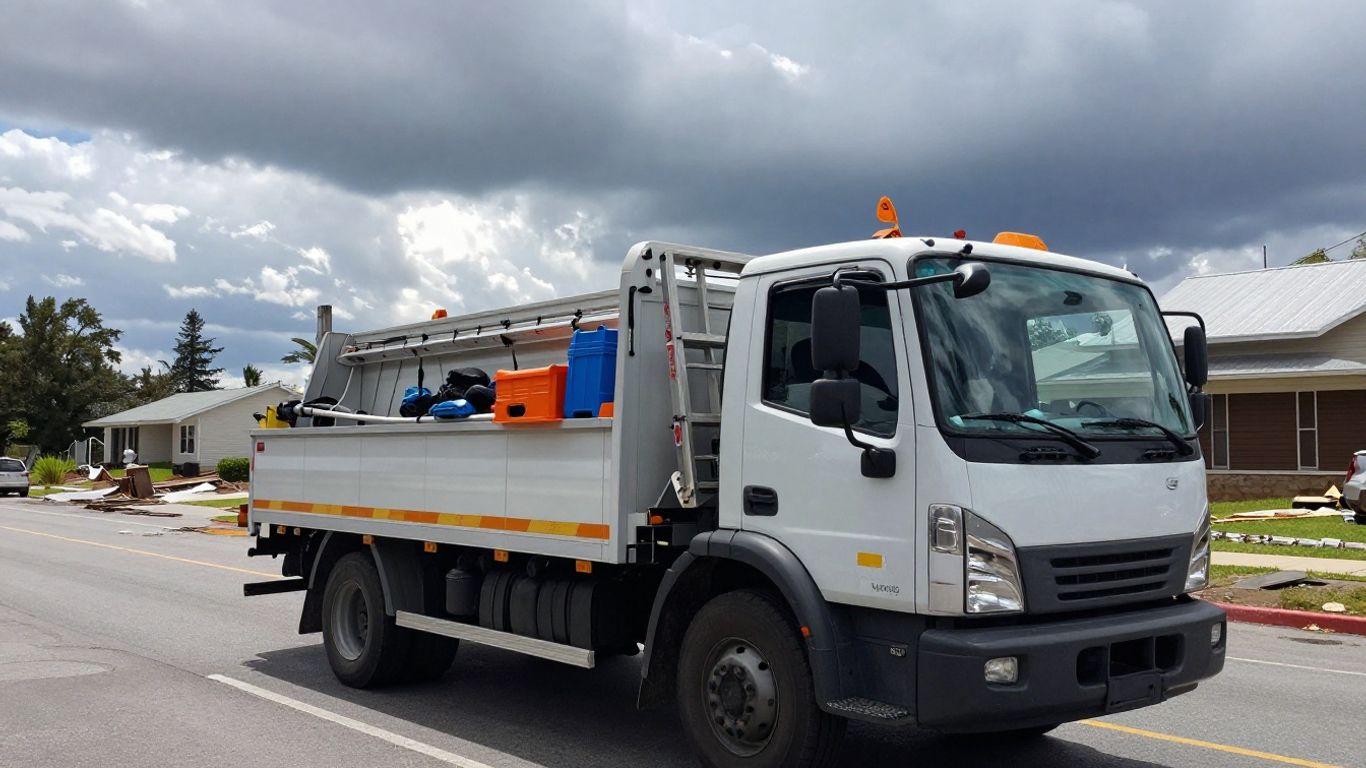
When a storm hits, every minute counts. Homeowners are stressed, and they need help now. Our goal is to make sure they find us the moment they realize they have a problem. This means our approach needs to be fast, clear, and reassuring.
Leveraging Urgency and Trust in Your Messaging
People aren’t browsing for contractors when their roof is leaking. They’re panicking. Your landing page needs to speak directly to that urgency. Use clear, direct language that acknowledges the situation. Phrases like "Emergency Storm Damage? We’re Here 24/7" or "Immediate Roof Repair Available" get straight to the point.
Beyond just speed, trust is a big factor. Homeowners are letting strangers into their homes during a crisis. Showing you’re reliable is key. This can be done through:
- Displaying clear contact information prominently.
- Including testimonials from satisfied customers, especially those who used your services after a storm.
- Mentioning any certifications or licenses that prove your legitimacy.
- Showing your service area clearly, so they know you can actually get to them.
We need to communicate that we are not only fast but also dependable. This combination of speed and reliability is what turns a panicked click into a solid lead.
When a storm rolls in, the homeowner’s primary concern shifts from cost to speed and reliability. They need to know that help is on the way and that the help they’re getting is competent and trustworthy. Our messaging must reflect this immediate need and build confidence quickly.
Implementing Effective Calls-to-Action for Emergency Services
Once you’ve captured their attention and built a bit of trust, you need to make it incredibly easy for them to take the next step. Your call-to-action (CTA) should be impossible to miss and simple to use.
For emergency services, a phone number is often the most direct and fastest way for a homeowner to get help. Make sure your phone number is:
- Large and clickable on mobile devices.
- Displayed at the top of the page and repeated near the CTA.
- Available 24/7, or clearly state your emergency hours.
If you also want to capture leads through a form, keep it short. Ask only for the absolute essentials: name, phone number, and a brief description of the damage. Long forms are a barrier when someone is in distress.
Consider these CTA examples:
- "Call Us Now for Immediate Assistance" (with a prominent phone number)
- "Request Emergency Service" (leading to a very short form)
- "Get a Free Storm Damage Assessment" (if that’s your immediate offer)
We want to reduce friction at every step. The easier it is for someone to contact us when they’re in a bind, the more likely they are to do so. This means clear buttons, simple forms, and readily available contact details.
Wrapping Up
So, we’ve talked about how setting up special landing pages can really help contractors when storms hit. It’s not super complicated, but it does take some planning. When bad weather rolls in, people need help fast, and having a simple page ready to go means you can grab those leads right when they’re looking. We think this is a smart move for any contractor wanting to be there for folks when they need it most. Give it a try; it might just make a big difference for your business during those busy times.
Frequently Asked Questions
How can we get more people to contact us when a storm hits?
We can create special webpages, like online flyers, that are made to grab attention right when people need help after a storm. These pages will be easy to find and will clearly show how to reach us for quick service.
What makes a good storm response webpage?
A good page for storm emergencies needs to be simple and clear. It should immediately tell visitors that we’re here to help and make it super easy for them to call us or fill out a quick form. We should also show that we’re dependable and ready to act fast.
How do we make sure people choose us during a storm emergency?
We should use words that show people we understand their urgent need and that they can count on us. Having a big, clear button that says ‘Call Us Now!’ or ‘Get Emergency Help’ will make it simple for them to take action right away.