
We’re putting together an article about making good content for contractors to help with their online presence. It’s all about contractor content marketing, which sounds fancy, but really, it’s just about making stuff people want to read or watch. We want to help businesses in the trades get noticed online. This means thinking about who we’re talking to and what makes them choose one contractor over another. We’ll talk about planning, making the content, and what to do with it.
Key Takeaways
- To do contractor content marketing well, we first need to know who our ideal customers are. What problems do they have that we can fix?
- We must show what makes our business different and better than the competition. What’s our special skill?
- Making content that shows we know our stuff is key. This includes sharing past projects and writing helpful articles.
Developing A Contractor Content Marketing Strategy
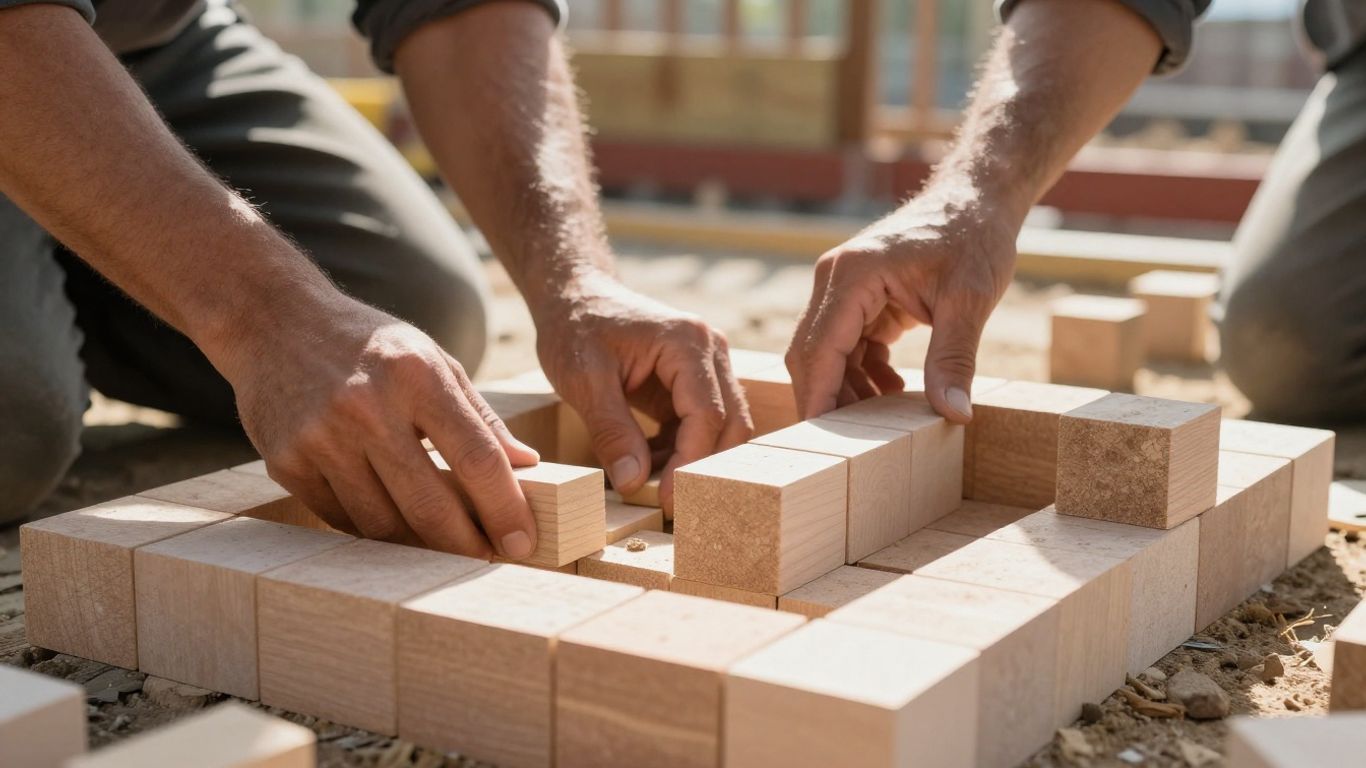
Before we start writing any blog posts or case studies, we need a solid plan. Think of it like planning a big construction project; you wouldn’t just start hammering nails without blueprints, right? The same applies to our content. We need to figure out who we’re talking to and what makes us stand out.
Understanding Your Target Audience
Who are we trying to reach with our content? Are we a plumbing company aiming for homeowners dealing with leaky faucets, or are we a commercial roofing contractor looking for business owners with large buildings? Knowing this helps us tailor our message. We should think about:
- Demographics: Age, location, income level (if relevant).
- Needs and Pain Points: What problems are they trying to solve? Are they looking for emergency repairs, routine maintenance, or a complete renovation?
- Online Behavior: Where do they look for information? Are they on Google, social media, or specific industry forums?
Getting this right means our content will actually be seen by the people who need our services. For instance, if we’re a landscaping company, writing about "best lawn care tips for busy families in [Our City]" is much more effective than a generic post about "gardening."
Identifying Your Unique Selling Propositions
What makes us different from the contractor down the street? This is what we call our Unique Selling Proposition, or USP. It’s the reason someone should pick us over anyone else. We need to be clear about this in our content.
Consider these points:
- Specializations: Do we focus on a specific type of work, like historic home renovations or energy-efficient installations?
- Customer Service: Are we known for being exceptionally punctual, tidy, or communicative?
- Guarantees or Warranties: Do we offer longer or better guarantees than competitors?
- Experience: How long have we been in business? Do we have a particularly experienced team?
We need to be honest about what makes us special. If we claim to be the fastest, we better be able to back it up. Our USP should be woven into the stories we tell and the information we share, making it clear why we’re the best choice.
For example, a contractor specializing in custom kitchen remodels might highlight their detailed design process and the high-quality materials they use. This isn’t just about listing features; it’s about showing how these aspects benefit the customer, like a more enjoyable renovation experience and a kitchen that perfectly fits their lifestyle.
Crafting Engaging Contractor Content
Once we have a solid strategy in place, the next step is to actually create the content. This is where we show potential clients what we can do and why they should choose us. It’s not just about listing services; it’s about telling a story and building trust.
Showcasing Your Expertise Through Case Studies
Case studies are powerful tools for demonstrating our capabilities. They go beyond simple testimonials by providing a detailed look at a project we completed. We can explain the problem the client had, the solution we provided, and the positive results achieved. This gives prospective customers a clear picture of our work process and the tangible benefits they can expect.
When putting together a case study, we should aim to include:
- The Client’s Challenge: What specific problem were they facing?
- Our Solution: What steps did we take to address the challenge? What services did we provide?
- The Outcome: What were the measurable results? Did we save them time, money, or improve their property?
Presenting these details in a structured way helps potential clients see themselves in a similar situation and imagine the positive outcome. It’s a practical way to prove our worth.
Creating Informative Blog Posts and Guides
Blog posts and guides are excellent for attracting clients through helpful information. We can write about common issues homeowners or businesses face, DIY tips (where appropriate, with a disclaimer to call a professional), or explain complex processes in simple terms. This positions us as knowledgeable and approachable.
Think about topics like:
- "5 Signs Your Roof Needs Repair Before Winter"
- "A Simple Guide to Choosing the Right Paint Colors for Your Home"
- "Understanding the Benefits of Regular HVAC Maintenance"
These kinds of articles help people who are actively searching for solutions related to our services. We want to be the first resource they find when they have a question or a problem.
We should always remember that the goal is to be helpful and informative. If we can answer a potential client’s questions before they even ask them, we’ve already won half the battle. It’s about building a relationship based on trust and knowledge, not just selling a service.
We can also create downloadable guides on more in-depth topics, like "The Ultimate Checklist for Home Renovations" or "A Homeowner’s Guide to Energy Efficiency." These can be great for lead generation, asking for an email address in exchange for the guide. It’s a win-win: they get useful information, and we get a potential lead to follow up with.
Wrapping It Up
So, we’ve gone over how to make your contractor website work better online. It’s not just about having a site; it’s about making sure the right people find it when they need your services. We talked about keywords, making your pages easy to read, and getting other sites to link to yours. It might seem like a lot, but taking these steps can really make a difference. Start small, focus on what you can control, and watch your online presence grow. We think you’ll see better results if you stick with it.
Frequently Asked Questions
Why should we bother making good content for our contractor business online?
Creating helpful and interesting content for our website is like putting up a sign that says ‘We know our stuff!’ It helps people find us when they search for services we offer. When they read our articles or see our past work, they start to trust us and see that we’re good at what we do. This makes them more likely to pick us when they need a contractor.
How do we make content that people actually want to read?
To make content that clicks, we need to think about who we want to reach. What problems do they have that we can solve? What questions do they ask about our services? We can write blog posts that answer these questions, share stories about projects we’ve finished that turned out great, and show off pictures of our best work. The key is to be useful and show off what makes us special.
What’s the best way to show that we’re really good at our job through our content?
One of the best ways is to tell stories about jobs we’ve done before. We can explain the problem the customer had, how we fixed it, and how happy they were in the end. Showing before-and-after pictures or videos is also super powerful. This kind of proof helps people see with their own eyes that we can deliver great results, which builds a lot of confidence.