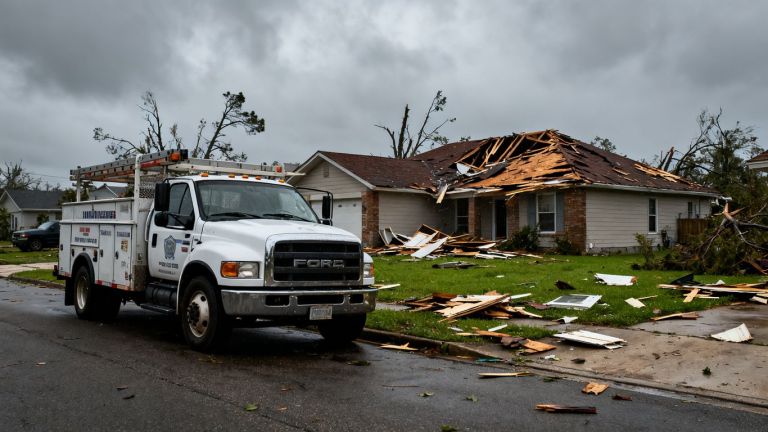
When winter rolls around, contractor websites need a little extra attention. We know that people start searching for cold-weather help—think frozen pipes or busted heaters. If our site isn’t ready, we could miss out on those calls. So, we want to make sure our pages talk about the right stuff and show that we’re ready to handle winter jobs.
Key Takeaways
- We should use winter-related words on our service pages to get found by folks searching for cold weather help.
- Showing off our emergency repair skills can make us stand out when someone needs quick fixes in winter.
- Adding simple blog posts and winter photos can help people trust us and know we’re ready for the season.
Enhancing Contractor Website Optimization For Seasonal Service Pages
When winter rolls around, people aren’t just looking for general home services; they’re specifically searching for help with cold-weather problems. We need to make sure our websites reflect this. Our primary goal is to connect with potential clients actively seeking solutions for winter-related issues. This means tailoring our service pages to match their search terms and highlighting the specific help we provide during this season.
Highlighting Winter Services With Targeted Keywords
Think about what homeowners type into search engines when their furnace breaks down in January or when they notice ice dams forming. They’re not searching for "HVAC repair"; they’re likely searching for "emergency furnace repair," "heater not working," or "ice dam removal." We need to incorporate these specific, problem-driven keywords directly onto our relevant service pages. This isn’t just about stuffing keywords in; it’s about using the language our customers use.
Here are some common winter service keywords we should consider:
- Emergency heating repair
- Furnace tune-up
- Boiler service
- Frozen pipe thawing
- Ice dam removal
- Snow removal services
- Winter roof inspection
- Generator maintenance
By strategically placing these terms in page titles, headings, and body content, we make it much easier for search engines to understand what we do and show our pages to the right people. We should also look at our existing service pages and see where we can naturally add these terms.
Showcasing Emergency Repair Capabilities
Winter weather can cause unexpected and urgent problems. A burst pipe or a failed heating system in freezing temperatures is a serious situation. Our websites need to clearly communicate that we are available and equipped to handle these emergency repair needs.
Consider adding a prominent section on your homepage or a dedicated landing page that details your emergency services. This section should include:
- Availability: Clearly state if you offer 24/7 emergency services or specific emergency hours.
- Response Time: Give an estimate of how quickly you can typically respond to emergency calls.
- Types of Emergencies Handled: List the common winter emergencies you specialize in (e.g., heating failures, plumbing leaks, storm damage).
A clear call to action for emergencies is vital. This could be a brightly colored button or a dedicated phone number that stands out on every page, especially during colder months. We want to reduce any friction for someone in distress.
We can also use a simple table to show our emergency service coverage:
| Service Type | Availability |
|---|---|
| Emergency Heating Repair | 24/7 |
| Emergency Plumbing | 7 AM – 10 PM Daily |
| Storm Damage Response | As Needed (Day/Night) |
Making these capabilities obvious helps build trust and reassures potential clients that we are the reliable choice when things go wrong during the cold season.
Leveraging Cold Weather Content For Improved Contractor Website Optimization
We can really make our websites work harder for us during the colder months by putting out content that speaks directly to what homeowners are dealing with. It’s not just about listing services; it’s about showing we understand their problems and have the solutions.
Creating Informative Blog Posts About Winter Preparedness
Think about what worries people when the temperature drops. Is it a furnace that might quit? Pipes that could freeze? Ice dams forming on the roof? We can write blog posts that address these exact concerns. For instance, a post titled "5 Signs Your Furnace Needs a Tune-Up Before Winter Hits" is much more engaging than just a "Furnace Repair" page.
Here are some ideas for blog topics:
- How to Prevent Frozen Pipes: A Step-by-Step Guide
- Common Roof Problems in Winter and How to Spot Them
- Is Your Home Ready for a Cold Snap? A Winter Home Checklist
- The Importance of Regular HVAC Maintenance for Cold Weather
- Dealing with Power Outages During Winter Storms
The goal is to become a trusted resource, not just a service provider. When someone searches for "how to stop pipes from freezing," we want our blog post to be the first thing they see. This builds trust and puts us top-of-mind when they need actual help.
We should aim to answer the questions homeowners are typing into search engines. This kind of content helps people find us organically, even if they weren’t actively looking for a contractor at that exact moment.
Optimizing Visual Content For Seasonal Relevance
Pictures and videos matter. A generic photo of a toolbox doesn’t do much in winter. We should use images that show our team working in cold conditions, perhaps fixing a snow-covered roof or servicing a furnace on a chilly day. This makes the content feel more real and relevant.
Consider these visual optimizations:
- Website Banners: Swap out summer-themed banners for winter scenes or graphics related to heating and snow removal.
- Service Page Images: Use photos of your team performing winter-specific tasks. If you have a page about emergency plumbing, show a picture of a burst pipe scenario (safely staged, of course).
- Video Content: Short videos demonstrating winter home maintenance tips or showing a quick fix for a common cold-weather problem can be very effective. Think about a time-lapse of a snowblower clearing a driveway or a technician checking insulation.
We can also think about the keywords we use in image alt text. Instead of "technician working," use "HVAC technician inspecting furnace in winter." This helps search engines understand the context of our visuals and improves our site’s overall search ranking for cold weather terms.
Wrapping Up Our Cold Weather Web Strategy
So, we’ve talked a lot about making your contractor website ready for winter. It’s not just about having a few snow-related keywords thrown in. We need to think about what people actually search for when the temperature drops and snow starts flying. Are they looking for emergency repairs, or planning ahead for spring projects? By putting the right information front and center, and making sure your site works well on phones, we can help more people find you when they need you most. It takes a bit of effort, sure, but getting this right means you’re not missing out on business during a time when many contractors slow down. Let’s get those sites working harder for us, even when it’s freezing outside.
Frequently Asked Questions
How can we make our website show up when people search for winter help?
We can use words on our website that people actually type into search engines when they need winter services. This means using terms like ‘heater repair,’ ‘frozen pipe help,’ or ‘snow removal services’ where they make sense on our pages, especially on our service pages. It’s like putting up a sign that says exactly what we do for the cold weather.
What kind of content should we create to help people with winter problems?
We should write helpful articles, like blog posts, that give people tips on how to get ready for winter. We can talk about things like how to keep pipes from freezing, what to do if the power goes out, or how to make sure their heating system is working well before the really cold days hit. This shows we care and know our stuff.
How do pictures and videos help with our cold weather website content?
Using pictures and videos that look like winter helps a lot! We can show photos of our team working in the snow, fixing a furnace on a cold day, or even short videos explaining how to do a simple winter check-up. This makes our website feel more real and relevant to what people are going through during the cold season.