The off-season for contractors doesn’t have to mean a complete slowdown. It’s actually a prime time to get your business in order and prepare for the busy months ahead. One of the best ways to do this is by looking at your website. Think of your website as your digital storefront; if it’s not working well, you’re missing out. We’ve put together a list of website features that can really help with contractor website optimization, making sure you stay visible and get leads even when work is slow.
Key Takeaways
- Make it easy for clients to book appointments online, even when your office is closed.
- Show off your past work with a portfolio and let happy customers share their thoughts.
- Ensure potential clients can easily get in touch through forms, chat, or by requesting a quote.
1. Online Appointment Scheduling
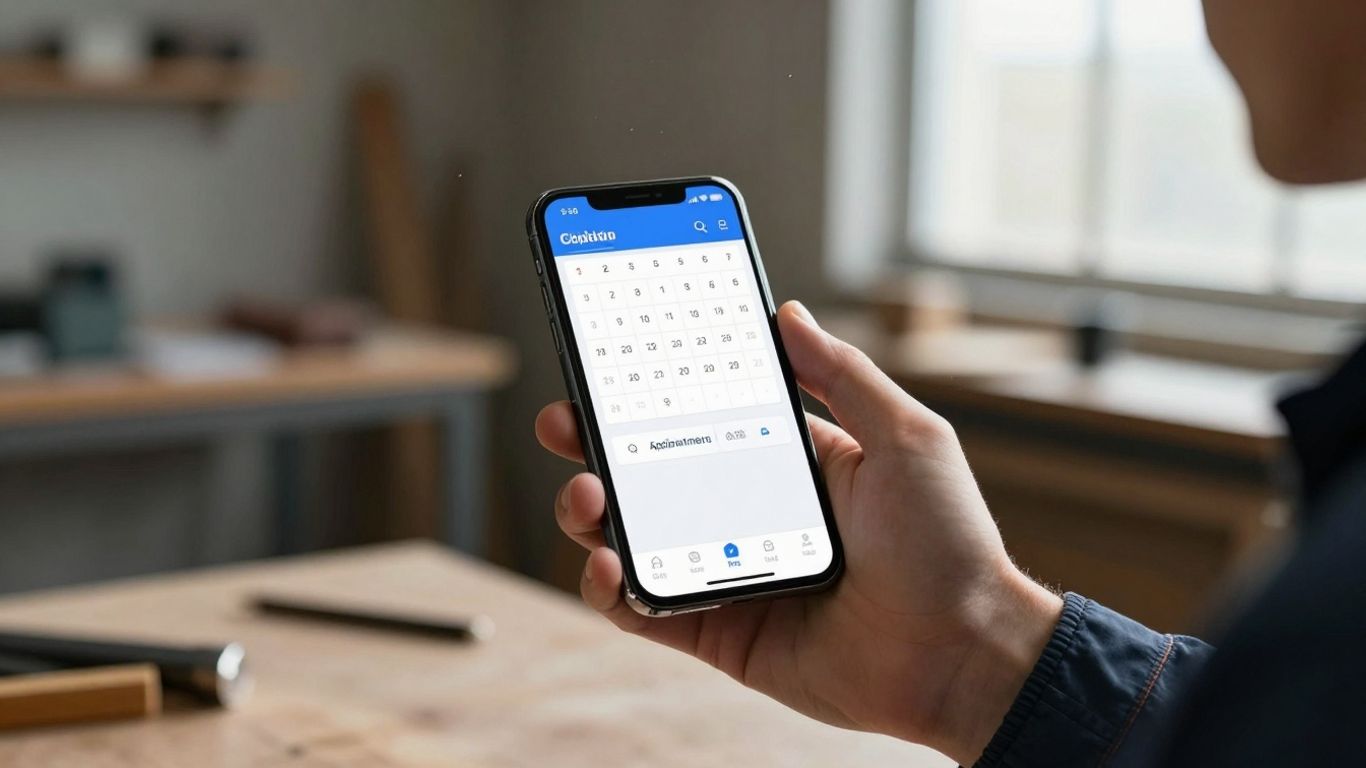
During the off-season, we often find ourselves with a bit more time to think about how we interact with our clients. One area that can really make a difference is how people book appointments. Making it easy for customers to schedule services online is a game-changer.
Think about it: a potential client visits your website. They’re interested, but maybe it’s late, or they’re busy. If they have to call during business hours and play phone tag, they might just move on to someone else. An online scheduling system lets them pick a time that works for them, right then and there. It’s about convenience for them and efficiency for us.
Here’s why it’s so good:
- 24/7 Availability: Clients can book anytime, day or night, without needing to talk to anyone.
- Reduced Admin Work: Less time spent on the phone answering scheduling questions means more time for other tasks.
- Fewer No-Shows: Automated reminders can be sent out, cutting down on missed appointments.
- Clear Calendar Management: We get a clear view of our schedule, helping us plan our workload better.
We’ve found that offering this flexibility really helps capture leads that might otherwise slip away. It shows we’re modern and client-focused.
Implementing an online booking tool means we’re always open for business, even when our physical doors might be closed. It’s a simple step that can lead to a more organized and profitable schedule.
2. Customer Relationship Management (CRM) System
During the off-season, keeping track of who’s who and what’s what with our clients can get a bit fuzzy. That’s where a good Customer Relationship Management, or CRM, system comes into play. Think of it as our digital rolodex, but way smarter. It helps us keep all client information in one place – contact details, past projects, communication history, even notes about their preferences.
This organized approach means we can personalize our outreach and follow-ups much more effectively. When a potential client calls, we can quickly pull up their history, understand their needs, and offer tailored solutions. It’s not just about storing data; it’s about using that data to build stronger connections.
Here’s what a CRM can do for us:
- Store contact information for all leads and past customers.
- Track interactions, like phone calls, emails, and meetings.
- Manage sales pipelines, from initial contact to project completion.
- Schedule follow-up reminders so no one falls through the cracks.
Having a CRM system helps us stay professional and responsive, even when business is slow. It turns scattered notes and memories into a reliable system for managing our most important asset: our customers.
For example, imagine a client who had a deck built two years ago. With a CRM, we can easily see that project, remember the materials used, and when the off-season hits, we can send them a targeted email about deck maintenance or a special offer for a new stain. It’s proactive service that keeps us top-of-mind for future work. This kind of attention to detail makes a big difference in client loyalty.
3. Project Portfolio Showcase
During the slower months, we find it’s the perfect time to really show off the work we’ve done. A project portfolio on our website isn’t just a gallery; it’s our digital handshake, a visual story of our capabilities. Potential clients often browse this section first to gauge our style and the quality of our past projects. It’s where we build trust before they even pick up the phone.
Think about it: someone needs a new deck built. They’re looking at a few contractors, and they land on our site. If we have a well-organized portfolio with clear photos and brief descriptions of decks we’ve built, they can immediately see if our work matches what they have in mind. It answers so many questions upfront.
Here’s what makes a good portfolio:
- High-Quality Photos: Clear, well-lit pictures from different angles. Before-and-after shots can be very effective.
- Project Descriptions: A short summary of the project, including the type of work, materials used, and any unique challenges or solutions.
- Categorization: If we do various types of work (kitchen remodels, bathroom updates, new builds), grouping them makes it easier for visitors to find what they’re interested in.
- Client Testimonials (linked): Briefly mentioning a positive client comment related to a specific project adds credibility.
We also like to include a bit of context for each project. For instance, if we completed a complex historical renovation, we’ll mention the specific historical requirements we had to meet. This shows our attention to detail and problem-solving skills.
A strong portfolio demonstrates our track record and reassures potential customers that we can handle their project with skill and professionalism. It’s a visual resume that speaks volumes, especially when business is a bit quieter and we have more time to refine it.
4. Service Area Map
During the off-season, it’s a smart move to make sure potential clients know exactly where we can help them out. A service area map on our website does just that. It visually shows the towns, cities, or even counties we cover. This saves everyone time; customers don’t have to guess if we’re in their neighborhood, and we don’t get inquiries from too far out.
Think about it: a clear map can stop a lot of back-and-forth emails or calls. It sets expectations right from the start. We’ve found that customers appreciate this transparency a lot. It builds trust before they even pick up the phone.
Here’s why it’s so useful:
- It helps customers quickly see if they’re within our reach.
- It can prevent wasted time for both us and the client.
- It makes our service boundaries very clear.
- It can be a good way to highlight areas where we have a strong presence.
We can use different colors or icons to show different types of services offered in specific zones, if that applies to us. Or, we can simply outline the main areas we serve. It’s all about making it easy for people to understand our reach.
A well-placed service area map on our website is more than just a graphic; it’s a tool that streamlines communication and manages customer expectations effectively. It shows we’re organized and considerate of their time.
This feature is particularly helpful for marketing too. If we’re looking to expand into a new area, we can adjust the map accordingly. It’s a simple addition that makes a big difference in how potential clients perceive our business and its coverage.
5. Testimonial Display
We all know word-of-mouth is powerful, and on the internet, that translates to testimonials. Showing what past clients have said about our work builds trust. It’s like having happy customers vouch for us right on our website. This social proof can make a big difference when potential clients are deciding who to hire.
Think about it: when you’re looking for a contractor, you want to see that others have had good experiences. Testimonials give that insight. They can highlight specific things we do well, like our punctuality, the quality of our craftsmanship, or how easy we are to work with.
Here’s why having a dedicated testimonial section is a good idea:
- Builds Credibility: Real feedback from real people makes us look more trustworthy.
- Shows Off Strengths: Positive comments can point out what makes us stand out from the competition.
- Helps Decision Making: Potential clients can see concrete examples of satisfaction.
- Boosts SEO: Search engines like fresh content, and testimonials can be a source of that.
We should aim to collect feedback after each project. A simple email asking for a review can go a long way. Then, we can feature the best ones prominently. It’s not just about having them; it’s about making them easy to find and read. A good display might include the client’s name (or initials), the type of project, and maybe even a photo if they’re comfortable with it. This makes the feedback feel more genuine and personal.
Displaying testimonials isn’t just about showing off. It’s about demonstrating reliability and customer satisfaction through the voices of those who have already chosen us. It’s a direct line to proving our worth without us having to say it ourselves.
6. Blog Section
We often think of our website as a place to show off finished projects or make it easy for people to contact us. But what about a blog? It might seem like extra work, especially when things slow down, but a blog can be a real game-changer for contractors during the off-season. Think of it as a way to keep your business top-of-mind and show people you’re the go-to expert in your field.
Why bother with a blog when you could be prepping for the next busy period? Well, it helps in a few key ways:
- Builds Authority: Regularly posting articles about common home maintenance issues, seasonal tips, or explaining different types of repairs positions you as knowledgeable. People trust experts.
- Improves Search Engine Visibility: Search engines like Google love fresh content. A blog gives you more opportunities to use keywords related to your services, making it easier for potential customers to find you when they search online.
- Educates Potential Clients: You can answer frequently asked questions, explain the benefits of certain upgrades, or walk through the process of a typical project. This transparency builds confidence.
- Keeps Your Brand Visible: Even when you’re not actively bidding on jobs, a blog keeps your company name and services in front of your audience. It’s a passive marketing tool that works while you’re doing other things.
We find that topics like "Preparing Your Home for Winter" or "Signs You Need a New Roof This Spring" do particularly well. It’s about providing helpful information that people are actually looking for.
A consistent blog presence, even with just one or two posts a month, can make a significant difference in how potential clients perceive your business. It shows you’re active, engaged, and care about providing information, not just selling a service.
Consider dedicating some time during slower months to brainstorm topics and write a few posts. You can even schedule them to go live throughout the year. It’s an investment that pays off by keeping your business relevant and attracting new leads.
7. Contact Forms
We all know that when the phone stops ringing as much during the off-season, we need other ways for potential clients to reach us. That’s where well-placed contact forms come in. These aren’t just simple "get in touch" boxes; they’re powerful tools for gathering leads when people are browsing your site. Making it easy for visitors to send a message without having to pick up the phone is key.
Think about what information you really need upfront. A basic form might just ask for a name, email, and a message. But for contractors, we can get a bit more specific. Consider adding fields for:
- Type of service needed (e.g., plumbing, electrical, renovation)
- Project address or general location
- Best time to reach them
- A brief description of the project
This helps us qualify leads before we even respond. It saves us time and shows the client we’re organized.
Having multiple contact forms tailored to different needs can also be beneficial. A "Request a Quote" form is different from a general "Inquiry" form, and having separate ones makes the user experience smoother.
We also need to make sure these forms are easy to find. They should be on your homepage, your services pages, and your contact page, naturally. Don’t hide them away! A simple, clean design is best. Nobody wants to fill out a complicated form, especially on a mobile device. We want to capture interest, not frustration.
Finally, remember to set up notifications so you know immediately when a new form submission comes in. Timely responses are critical, especially when business is slower. A quick reply can make the difference between landing a new job and losing a potential customer to a competitor.
8. Live Chat Support
When the phones quiet down, having a live chat option on your website can really keep the leads coming in. It’s like having a friendly face ready to answer questions right when a potential customer is browsing your services. We’ve found that people often have quick questions that they’d rather type out than call about, especially if they’re looking at your site during work hours or when they don’t want to disturb others.
This immediate connection can make a big difference in converting a curious visitor into a booked appointment. It’s not just about answering questions, though. You can use it to:
- Qualify leads by asking a few simple questions.
- Direct visitors to the right page or service.
- Offer support for existing clients.
- Gather feedback on your website experience.
Think of it as an extension of your customer service team, available even when you’re not actively on a call. It shows you’re accessible and ready to help, which builds trust. We’ve seen a noticeable uptick in inquiries simply by having this feature active during our slower periods. It’s a simple tool that works hard for us.
Implementing live chat doesn’t have to be complicated. Many platforms offer easy integration, and you can set up automated greetings or canned responses for common questions to save time. The key is to be responsive; even a quick acknowledgment that you’ll be with them shortly is better than silence.
9. Social Media Integration
We all know social media is a big part of how people find and connect with businesses these days. For contractors, having your social media profiles linked directly from your website is a no-brainer. It gives potential clients another way to see what we’re up to, check out recent projects, and get a feel for our company’s personality. Think of it as an extension of your online presence, making it easier for people to follow along.
Here’s why it matters:
- Builds Trust: Seeing active social media profiles with real customer interactions can make a big difference in how trustworthy we appear.
- Shows Off Work: Platforms like Instagram or Facebook are perfect for sharing photos and videos of completed jobs, giving people a visual of our quality.
- Direct Communication: It opens up another channel for people to ask quick questions or send a message, which can be really convenient for them.
- Keeps Us Top-of-Mind: Regularly posting updates, tips, or even just behind-the-scenes looks helps keep our business in people’s minds, especially during slower periods.
We should make sure the links are easy to find, usually in the header or footer of the website. It’s not just about having profiles; it’s about making them work for us. We want people to click over, see what we’re doing, and hopefully, get in touch.
Integrating social media isn’t just about adding buttons; it’s about creating a connected experience for our audience. It shows we’re accessible and engaged, which is exactly what clients are looking for.
10. Request a Quote Form
When the work slows down, it’s the perfect time to make sure potential clients can easily get a price for their projects. A "Request a Quote" form on your website is a straightforward way to do this. It acts as a digital handshake, gathering the initial details we need to start a conversation.
Think about what information is most helpful for you to give an accurate estimate. We usually include fields for:
- Contact information (name, email, phone number)
- Type of service needed (e.g., new construction, renovation, repair)
- Project address or general location
- A brief description of the project scope
- Preferred start date or timeline
This form isn’t just about collecting data; it’s about making it simple for someone to say, "I’m interested." We want to remove any friction. If someone has to call us during business hours just to ask for a quote, they might move on to a competitor who has an easier process. A well-designed form means we can capture leads even when we’re out on jobs or taking a well-deserved break.
Having a clear and easy-to-use quote request form means we don’t miss out on potential business. It allows interested parties to provide the necessary information at their convenience, which helps us respond faster and more effectively when we get back to them.
Wrapping It Up
So, we’ve gone over some key things that can really help your contracting business when things slow down. Having a good website, one that works well and shows off what you do, isn’t just for busy times. It’s a tool that keeps working for you even when you’re not on a job. Think about these features not as extra costs, but as smart investments. They can bring in new leads, keep your name out there, and make things smoother for you and your customers. We think focusing on these website parts can make a real difference in how you get through the off season and come back strong.
Frequently Asked Questions
Why is having a good website important for our contracting business, especially when work slows down?
Even when business is slow, a strong website acts like our digital storefront. It’s how potential customers find us, learn about what we do, and decide if we’re the right fit. Having features like online booking or a portfolio helps us look professional and ready for work, even during quieter times. It keeps our business visible and helps us capture leads that might otherwise go to competitors.
How can features like online scheduling and quote requests help us during the off-season?
These tools are game-changers for staying busy. Online scheduling lets customers book appointments easily, even outside of business hours, so we don’t miss opportunities. Similarly, a ‘request a quote’ form means people can reach out anytime they’re thinking about a project. This way, we’re constantly gathering potential jobs and can plan our schedule more effectively when things pick up, or even find smaller jobs to fill gaps.
What’s the benefit of showing off our past work and customer feedback on our website?
Showing pictures of our completed projects and positive reviews from happy clients builds trust. It’s like giving potential customers a sneak peek at the quality of our work and how reliable we are. This visual proof and social proof can make a big difference in convincing someone to choose us over another company, especially when they’re comparing options during their research phase.