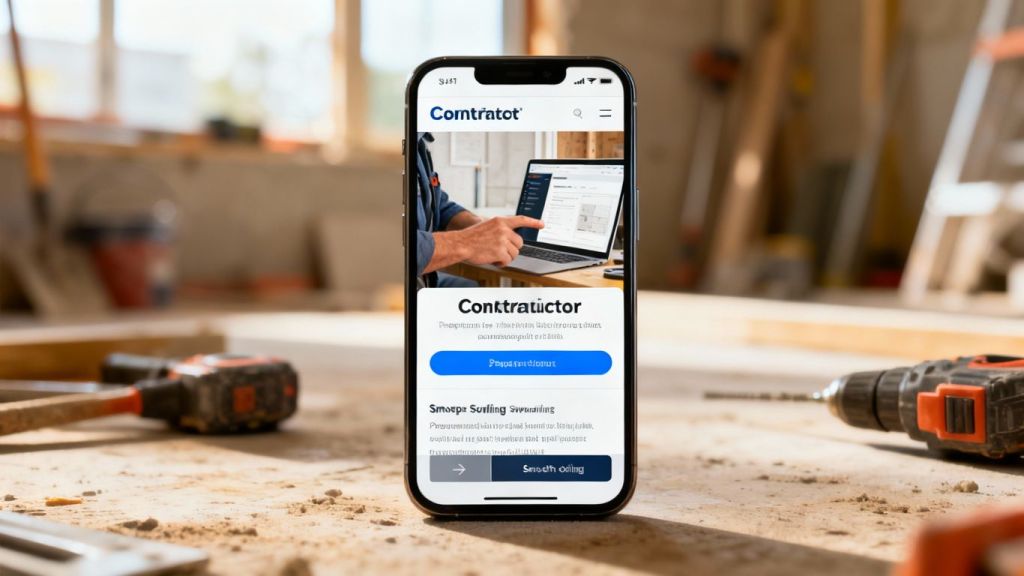
In today’s world, most people use their phones for everything, including finding services like yours. If your contractor website isn’t easy to use on a phone, you’re likely missing out on potential customers. We’ve found that making your site work well on mobile devices, what we call mobile optimization for contractors, really makes a difference. It’s not just about looking good; it’s about making it simple for people to find you and get in touch. We’ll look at how this helps customers and how it can bring in more business.
Key Takeaways
- Making your website work well on phones means customers have an easier time looking around your site, no matter what device they’re using. Things load faster too, which keeps people interested.
- When your site is mobile-friendly, search engines like Google tend to show it higher up in search results. This means more people will see your business when they search for services you provide.
- A mobile-optimized site makes it simple for people to contact you. They can fill out forms easily or just tap a button to call you right away.
Enhancing Customer Experience Through Mobile Optimization For Contractors
When potential clients look for a contractor, they’re often on the go. Maybe they’re driving by a project you’ve completed and want to learn more, or perhaps they’re at work and need a quick quote. If your website isn’t easy to use on a phone or tablet, you’re likely losing them before they even get a chance to see what you can do.
Seamless Navigation On Any Device
Think about your own online habits. If a website is clunky on your phone, you probably just close it and find another one, right? We feel the same way. For contractors, this means making sure your site works well on all screen sizes. Buttons should be easy to tap, text should be readable without zooming, and menus should be simple to open and close. A good mobile experience means people can find the information they need quickly, without frustration. This includes things like:
- Clear contact information readily available.
- Easy access to your services list.
- A simple way to view your portfolio or past projects.
If your site is hard to use on a phone, it sends a message that you might not be very detail-oriented, which is the opposite of what people want in a contractor.
Faster Load Times For Immediate Engagement
Nobody likes waiting for a webpage to load, especially on a mobile connection. Slow websites can really test a person’s patience. For contractors, this is a big deal because people are often looking for immediate help or information. If your site takes too long to show up, they’ll just move on to a competitor whose site loads in a flash.
Here’s what we’ve seen makes a difference:
- Optimizing images so they aren’t too large.
- Using efficient website code.
- Choosing a good website hosting service.
We’ve found that even a few extra seconds of loading time can make a big difference in how many people actually stay on the site and look around. It’s about respecting their time and making it easy for them to connect with us.
When your site loads quickly, it shows professionalism and that you value your potential clients’ time. This makes them more likely to stick around and explore what you have to offer.
Boosting Lead Generation With Mobile Optimization For Contractors
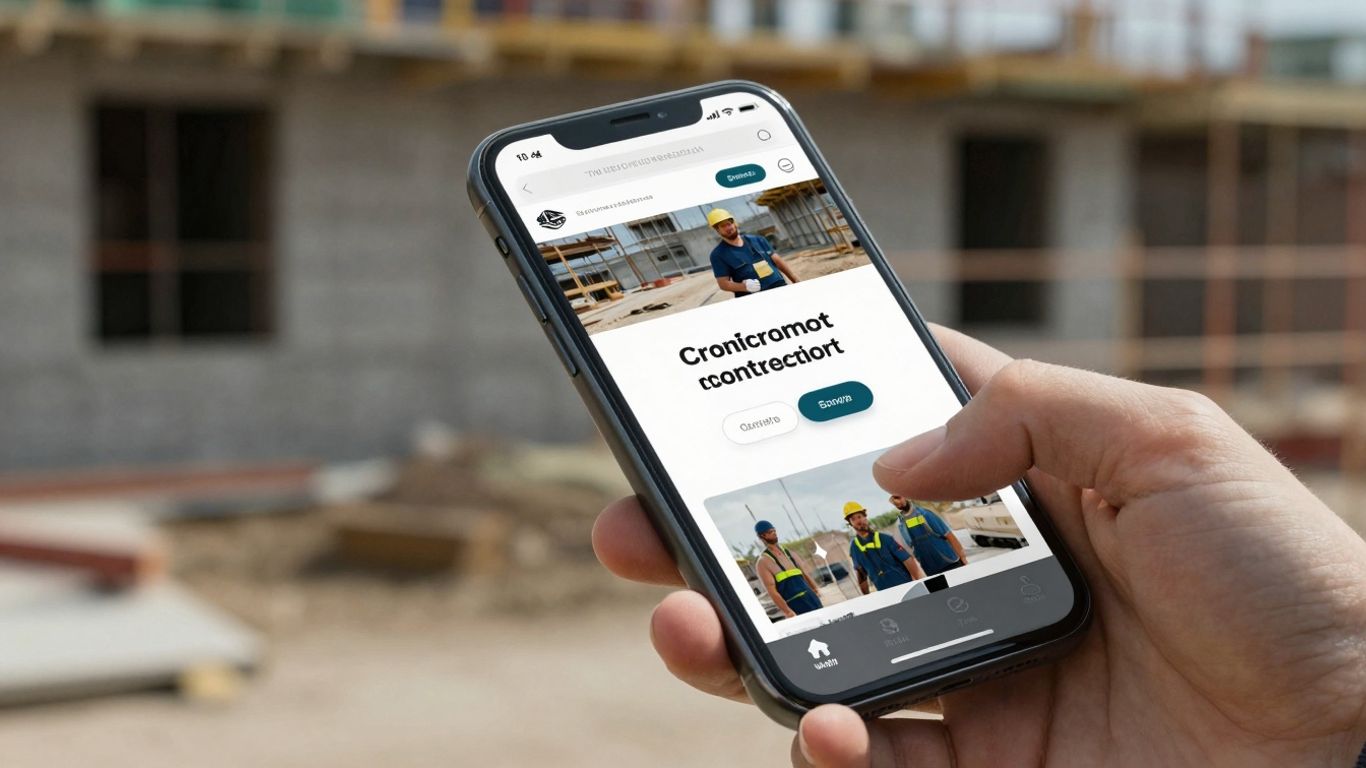
When we talk about getting more business through our websites, mobile optimization is a big part of it. It’s not just about making things look good on a phone; it’s about making it easy for potential customers to find us and get in touch. A mobile-friendly site directly impacts how many leads we actually get. If people can’t easily use our site on their phones, they’ll likely go somewhere else. We’ve seen this happen. People are on the go, looking for a contractor right now. They pull out their phone, search, and if our site is a pain to use, they’re gone. That’s a lost opportunity, plain and simple.
Improved Search Engine Rankings
Search engines like Google pay attention to how well a website works on mobile devices. They want to show their users the best results, and that includes sites that are easy to use on any screen. If our website isn’t mobile-optimized, it’s going to rank lower in search results. This means fewer people will even see our business when they’re looking for services we provide. It’s like having a great shop but putting it down a back alley where no one can find it. We want to be visible, especially when someone needs us urgently.
Streamlined Contact Forms And Click-To-Call Functionality
Making it simple for people to contact us is key. On a mobile site, this means having contact forms that are easy to fill out – think large buttons and fields that don’t require tiny finger taps. Even better is the click-to-call feature. When someone finds our number on our mobile site, they should be able to tap it and have their phone immediately start dialing us. This removes a step and makes it super convenient for them. We’ve found that when we make it this easy, more people actually make the call.
Here’s what we’ve noticed makes a difference:
- Clear Call-to-Action Buttons: Buttons like "Call Us Now" or "Get a Free Quote" should be prominent and easy to tap.
- Simple Forms: Keep forms short. Ask only for the most important information upfront.
- Visible Contact Information: Phone numbers and addresses should be easy to find, ideally at the top of the page.
We’ve seen that when a potential customer has a good experience on our mobile site, they are much more likely to trust us and reach out. It builds confidence right from the start. If the site is clunky or hard to use, that trust just isn’t there.
Think about it from the customer’s perspective. They’re stressed, they need a problem fixed, and they’re using their phone. If our website makes that process harder, we’re not helping them. We’re adding to their stress. By making our site mobile-friendly, we’re showing we care about their time and making it easy for them to get the help they need. This directly translates into more calls, more quote requests, and ultimately, more business for us.
Wrapping Up: Why Mobile Matters for Your Business
So, we’ve talked a lot about how important it is for your contractor website to work well on phones. It’s not just a nice-to-have anymore; it’s really how people find and choose services these days. If your site is slow or hard to use on a small screen, potential clients will just click away and find someone else. We’ve seen how this can affect getting new leads. Making sure your site is mobile-friendly is a big step towards making sure your business stays competitive and keeps growing. It’s about meeting your customers where they are, and right now, they’re mostly on their phones.
Frequently Asked Questions
Why should our contracting business make its website work well on phones and tablets?
Making our website mobile-friendly is super important because many customers check out services on their phones first. If our site is easy to use on any device, people will have a better time looking at what we offer. This means they’re more likely to stick around and learn about our business instead of clicking away because the site is hard to navigate or slow to load.
How does having a mobile-friendly website help us get more customers?
When our website works great on phones, search engines like Google notice. They tend to show mobile-friendly sites higher up in search results, meaning more potential clients will find us when they search for contractors. Plus, we can make it really simple for people to contact us directly from their phones, like having a button they can tap to call us right away or easy forms to fill out. This makes getting in touch much quicker and easier for them.
What happens if our website isn’t optimized for mobile devices?
If our website isn’t mobile-optimized, it can be a big problem. It might look messy or be difficult to scroll through on a phone. This can frustrate potential customers, causing them to leave our site and look for a competitor whose website works better. We could also miss out on being found easily in online searches, and people might struggle to contact us, meaning we lose out on potential jobs and business.