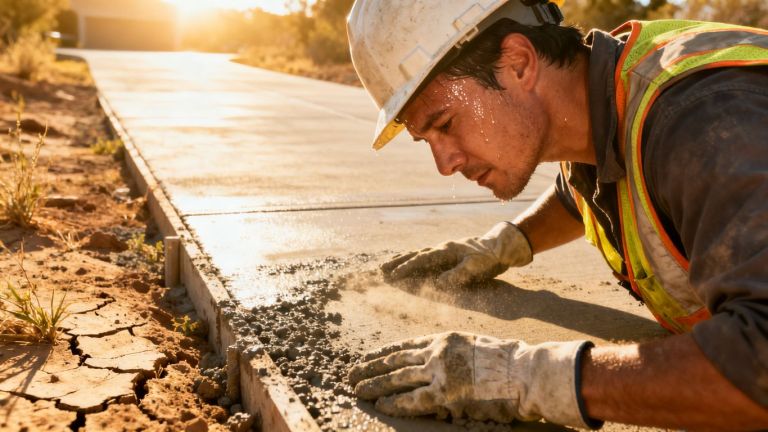
Building a website for your contracting business might seem straightforward, but getting it right makes a big difference. We’ve put together some ideas to help make your site work better for you and your customers. Good contractor website optimization means making sure people can find you, understand what you do, and trust you to do the job. Let’s look at some ways to make your online presence stronger.
Key Takeaways
- Make it clear what you want visitors to do next, like calling for a quote or filling out a form.
- Use real photos of your work and team to build trust and show quality.
- Ensure your website works well on phones and tablets, as many people will look you up that way.
1. Clear Call to Action
When someone lands on your contractor website, you want them to know exactly what to do next. That’s where a clear call to action (CTA) comes in. It’s like a signpost for your visitors, guiding them toward the next step you want them to take. Without a strong CTA, potential clients might just browse around and leave without contacting you.
Think about what you want people to do most. Is it to request a quote? Schedule a consultation? Give you a call? Whatever it is, make it obvious. We usually recommend having a primary CTA that stands out, and maybe a secondary one for those not quite ready to commit.
Here are some common CTAs we see work well:
- Get a Free Estimate
- Schedule Your Consultation
- Call Us Today
- View Our Services
Your CTA should be easy to find, usually placed prominently on your homepage, service pages, and even in the header or footer. Using action-oriented language helps too. Instead of just "Contact Us," try "Request Your Free Quote Now."
The placement and wording of your call to action can make a big difference in how many people actually reach out. Don’t make visitors guess what to do next; tell them clearly and make it easy for them to take that step.
2. Professional Photography
When potential customers visit your website, they want to see the quality of your work. Blurry phone pictures or stock images just don’t cut it anymore. We believe that high-quality, original photography is a non-negotiable for any contractor serious about their online presence. It shows you take pride in your projects and your business.
Think about it: you wouldn’t hire a painter who uses cheap brushes, so why would a client trust a contractor whose website looks unprofessional? Real photos of your completed jobs – from the intricate details of a custom kitchen remodel to the clean lines of a new roof installation – speak volumes. They build trust and give clients a tangible idea of what you can do for them.
Here’s why it matters so much:
- Builds Credibility: Seeing actual work makes your claims believable.
- Showcases Skill: High-resolution images highlight the craftsmanship and attention to detail.
- Creates Connection: Photos of your team on the job can make your business feel more approachable.
- Stands Out: Original photos differentiate you from competitors who rely on generic imagery.
We recommend investing in a professional photographer who understands how to capture construction and renovation projects. They know the best angles, lighting, and how to make your work look its absolute best. It’s an investment that pays off by attracting more serious leads.
The difference between a good photo and a great photo can be the difference between a click and a scroll. We want clients to stop and look, to imagine their own homes looking as good as the ones in our pictures. That’s the power of good visuals.
3. Mobile Responsiveness
We’ve all been there: trying to look up a contractor on our phones, only to find a website that’s impossible to read. Text is tiny, buttons are too close together, and you have to pinch and zoom just to find the phone number. This is a surefire way to lose potential customers.
Most people today use their smartphones for quick searches. If your website isn’t built to work well on a mobile device, you’re essentially shutting the door on a huge chunk of your audience. It doesn’t matter how good your services are if people can’t easily see what you do or how to contact you when they’re on the go.
Here’s why it matters:
- First Impressions: A clunky mobile site makes your business look outdated and unprofessional.
- User Experience: People want information fast. If they can’t get it quickly on their phone, they’ll move on to a competitor.
- Search Rankings: Google and other search engines favor mobile-friendly websites. A poor mobile experience can hurt your search position.
Think about it from the customer’s perspective. They’re likely on a job site, in their car, or just out and about. They need to find your services, your service area, and your contact details without a hassle. A responsive website adapts to whatever screen size it’s viewed on, making everything easy to read and click.
Making sure your website looks good and works right on phones and tablets isn’t just a nice-to-have anymore; it’s a must-have for any contractor trying to get new business.
4. Service Area Display
We think it’s important for potential customers to quickly see if we work in their area. Clearly showing your service area builds trust and saves everyone time. Don’t make people guess or hunt for this information. A simple list or a map works well.
Here are a few ways we like to show our service area:
- A straightforward list of cities and towns.
- A visual map highlighting the regions we cover.
- Mentioning nearby major landmarks or counties.
We’ve found that being upfront about our service locations helps filter inquiries and attracts the right kind of business. It’s a small detail that makes a big difference in how people perceive our reach and availability.
It’s not just about listing places; it’s about making it easy for someone in, say, Springfield to know immediately if they’re within our operational zone. This clarity prevents frustration on both ends.
5. Testimonials and Reviews
We all know that when people are looking for a contractor, they want to see what others have experienced. That’s where testimonials and reviews come in. They’re like the word-of-mouth recommendations you’d get from friends, but out there on your website for everyone to see. Showing off positive feedback builds trust and credibility, which is a big deal when someone is about to hire you for their home.
Think about it: if you’re looking for a plumber, and you see a few reviews talking about how prompt and clean they were, you’re probably going to feel better about calling them than someone with no feedback at all. It’s not just about saying you’re good; it’s about showing proof.
Here’s why they matter so much:
- Social Proof: People tend to trust what other customers say more than what a business says about itself.
- Credibility Boost: Good reviews show you’re reliable and do good work.
- Decision Making: Potential clients use reviews to help them choose between different contractors.
- Feedback Loop: Reviews, even the not-so-great ones, can give us insights into areas where we can improve.
We suggest making it easy for clients to leave reviews, perhaps with a simple link after a project is completed. Also, consider displaying a few star ratings right on your homepage or service pages for a quick visual cue. Don’t be afraid to showcase a mix of reviews, as authenticity is key. If you have a particularly glowing testimonial, make sure it’s easy to find and read.
6. Project Portfolio
We think a project portfolio is a really important part of your contractor website. It’s where potential clients can actually see the kind of work you do.
Showing off your past projects gives people confidence in your abilities. Think of it as your digital showroom. Instead of just telling people you’re good at building decks or remodeling kitchens, you can show them pictures and details of decks and kitchens you’ve already built or remodeled. This is way more convincing.
Here’s what we usually include:
- High-quality photos of completed projects.
- A brief description of the work done.
- The location (city/neighborhood) and the type of project.
- Any specific challenges or unique aspects of the job.
We find that organizing your portfolio by service type can be really helpful. For example, you might have sections for "Kitchen Remodels," "Bathroom Renovations," "New Home Builds," and "Exterior Work." This makes it easier for visitors to find examples relevant to what they’re looking for.
A well-put-together portfolio doesn’t just look good; it tells a story about your company’s skill and attention to detail. It’s a visual testament to the quality you bring to every job.
Don’t forget to get permission from your clients before posting photos of their homes. Also, consider adding a few testimonials that specifically mention the projects shown. This adds another layer of credibility. We also like to include before-and-after shots when possible, as these can be very impactful.
7. About Us Page
We think the ‘About Us’ page is more than just a formality; it’s where we connect with potential clients on a personal level. This is our chance to show who we are behind the tools and the projects. We want people to feel comfortable and confident choosing us.
Think of it as telling our story. What got us started? What drives us to do the work we do? Sharing our history, our values, and the people who make up our team helps build trust. It’s not just about listing facts; it’s about conveying our passion for quality and customer satisfaction.
Here’s what we typically include:
- Our founding story and how we grew.
- Our core beliefs about quality work and customer service.
- Brief introductions to our key team members, showing the faces behind the business.
- Our commitment to the local community.
We believe that transparency about our background and our team makes a big difference. It helps clients understand that they’re working with real people who care about their project’s success.
We also find it helpful to mention our service area again here, just to reinforce where we operate. Sometimes, we’ll even include a small timeline of significant company milestones. It’s all about making ourselves approachable and relatable.
8. Contact Information
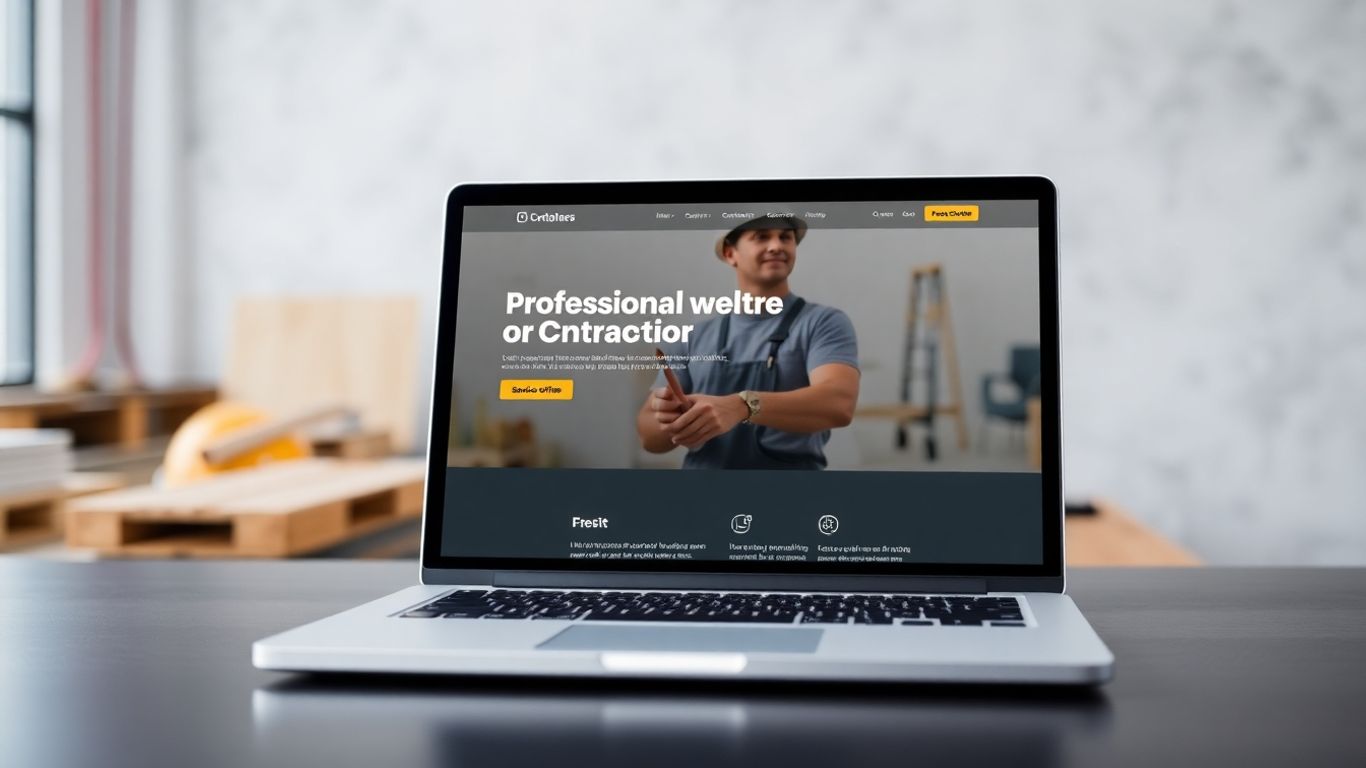
Making it easy for potential clients to get in touch is a big deal. We need to put our contact details front and center. Think about it: if someone likes what they see on your site, the very next thing they’ll want to do is call you or send an email.
We should list our phone number, email address, and physical address (if we have one and want people to visit). It’s also a good idea to include our business hours. This helps set expectations and shows we’re organized.
Here’s a simple way to lay it out:
- Phone: (555) 123-4567
- Email: info@ourcontractingcompany.com
- Address: 123 Main Street, Anytown, USA 12345
- Hours: Monday – Friday, 8:00 AM – 5:00 PM
We can also add a contact form. This is handy for people who prefer typing over calling, and it helps us collect inquiries in a structured way. Just make sure the form isn’t too long; people don’t want to fill out a novel.
We want to make sure that every visitor can find our contact information without having to hunt for it. It should be visible on multiple pages, perhaps in the header or footer, and definitely on a dedicated contact page.
9. Easy Navigation
We’ve all been on a website that felt like a maze, right? Trying to find what you need can be frustrating. For your contractor website, making it easy for visitors to get around is super important. Think about how you want people to move through your site.
We want visitors to find information quickly without getting lost. This means organizing your content logically. A good structure helps people understand what you do and how to contact you.
Here are a few things we focus on for good navigation:
- Clear Menu Labels: Use simple words like "Services," "About Us," "Portfolio," and "Contact." Avoid confusing terms.
- Logical Grouping: Put related pages together. For example, all your different service pages should be easy to find under a main "Services" menu item.
- Visible Search Bar: If you have a lot of content, a search bar can be a lifesaver. Make sure it’s easy to spot.
- Footer Links: Include important links in the footer, like your contact info, privacy policy, and sitemap. This gives people another way to find things.
We also make sure the main navigation stays consistent across all pages. No one wants to hunt for the menu every time they click to a new page. It’s about making the user experience smooth from start to finish.
A cluttered or confusing navigation system can make potential clients leave your site before they even find out what you can do for them. Keep it clean and straightforward.
10. Search Engine Optimization
We all want our contracting business to be found when people search online, right? That’s where Search Engine Optimization, or SEO, comes in. It’s basically making your website more attractive to search engines like Google. Think of it as helping Google understand what you do and why you’re a good choice for potential customers in your area.
The goal is to rank higher in search results so more people see your business. This means when someone types in "plumber near me" or "roofing contractor [your city]", your website pops up near the top. It’s not magic; it’s a process.
Here are some key things we focus on for SEO:
- Keywords: We figure out what terms people actually type into search engines when they need your services. Then, we naturally weave these keywords into your website’s text, page titles, and descriptions. It’s about using the language your customers use.
- Local SEO: For contractors, this is huge. We make sure your business is listed correctly on Google Business Profile and other local directories. This helps people in your specific service area find you easily.
- Content Quality: Search engines like fresh, helpful content. Regularly updating your blog with tips, project highlights, or answers to common customer questions can really help.
- Website Speed and Mobile-Friendliness: If your site takes too long to load or looks bad on a phone, people will leave. Google notices this and it hurts your ranking.
We don’t just throw keywords around randomly. It’s about creating a website that’s not only found by search engines but also genuinely helpful and easy to use for the people visiting it. A good user experience often leads to better SEO.
We also keep an eye on how other local businesses are doing online. What are they doing well? Where are the opportunities for us to stand out? It’s a constant learning process, but getting this right means more leads walking through your digital door.
Wrapping It Up
So, we’ve gone over a bunch of things that can make a contractor website work better. It’s not just about having a page online; it’s about making it easy for people to find you and trust you. Think about clear pictures of your work, simple ways to get in touch, and making sure it works on phones. We think if you put these ideas into practice, your website will do a lot more for your business. It takes a bit of effort, sure, but a good website can really make a difference in getting new customers. We hope this helps you build a site that works hard for you.
Frequently Asked Questions
Why is it important for our contractor website to look good on phones?
Many people look for contractors on their phones. If our website doesn’t work well on a small screen, visitors might leave and find someone else. We want to make sure everyone can easily see our services and contact us, no matter what device they use.
How do we show customers the kind of work we do?
We can show off our past projects in a special section called a portfolio. This is like a picture book of our best jobs. It helps potential clients see our skills and decide if we’re the right fit for their needs. Good pictures are key here!
What’s the best way to get people to contact us through our website?
We should make it super clear what we want visitors to do, like ‘Get a Free Quote’ or ‘Call Us Today.’ We need to put these buttons or links where they are easy to find, usually near the top of the page or right after we talk about our services. This guides them to take the next step.