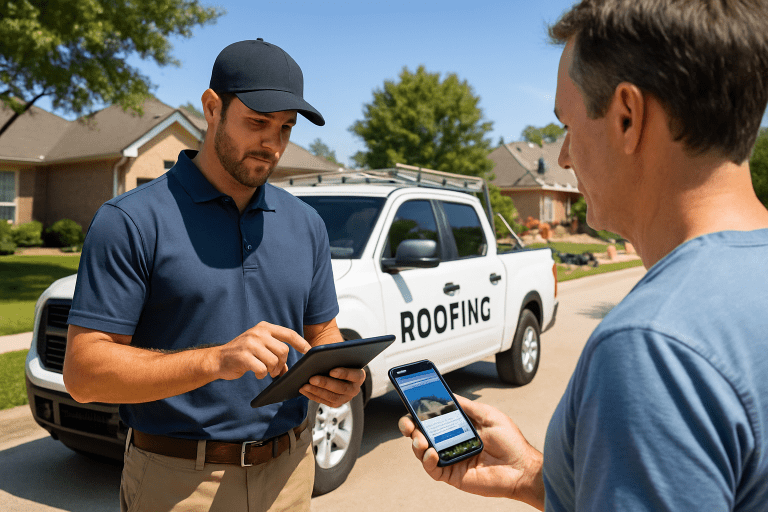
As the days get longer, our workdays seem to stretch out too. We’re finding that with more daylight, customers are more active, and so are their calls. This shift means we need to be ready to pick up the phone quickly and know exactly where those calls are coming from. It’s a good time to look at how we handle calls and how we track them, especially for contractors.
Key Takeaways
- With more daylight, customers are often more available and likely to call. We need to adjust our availability to match this, making sure we answer promptly to capture every potential lead.
- Understanding where our calls originate is vital. Using call tracking helps us see which marketing efforts are actually bringing in business, so we can focus our resources better.
- Detailed call analytics from tracking systems can show us patterns. This helps us improve how we talk to customers and close more deals, making our business grow.
Optimizing Call Handling During Extended Daylight
As the days get longer, we find ourselves with more daylight hours to work with. This shift isn’t just about enjoying the weather; it presents a real opportunity for us to improve how we handle customer calls and connect with new leads. We need to think about how this extra light impacts our workflow and customer interactions.
Leveraging Longer Days for Prompt Customer Responses
With more daylight, people tend to be more active, and that often means more calls coming in. We can use this extended period to our advantage. Making sure we answer the phone quickly is more important than ever. It shows we’re ready and available. Think about adjusting our staffing slightly during peak daylight hours, maybe adding an extra person to the phones if possible. Even small changes can make a difference in how fast we pick up.
We should also consider setting up our phone system to handle calls efficiently. This might involve:
- Reviewing our current hold times during busy periods.
- Training staff on how to manage multiple calls without making customers wait too long.
- Using automated messages to provide quick answers to common questions, freeing up agents for more complex issues.
It’s about being present and responsive when our customers need us most. We don’t want potential issues to linger just because we missed a call during a busy time.
The extra daylight can sometimes mean customers are more patient, but that doesn’t mean we should test that patience. A quick response builds trust.
Ensuring Consistent Availability for Incoming Leads
Longer days also mean more potential customers are out there, looking for services. They might be working on projects around the house or simply have more free time to make inquiries. We need to be visible and accessible during these extended hours. This means not just answering the phone but also making sure our online presence reflects our availability.
Here’s a simple plan we can follow:
- Update our business hours on our website and any online directories to reflect the longer daylight period, if applicable.
- Ensure our voicemail messages are current and clearly state when we will return calls.
- Consider extending our phone coverage slightly into the evening, even if it’s just for lead capture.
We want to catch every opportunity. If a lead calls at 6 PM, and we’re already closed, that’s a missed chance. We should aim to have someone available, or at least a system in place to capture that lead information, so we can follow up the next day. It’s about being there when the interest is high.
Implementing Effective Call Tracking for Contractors
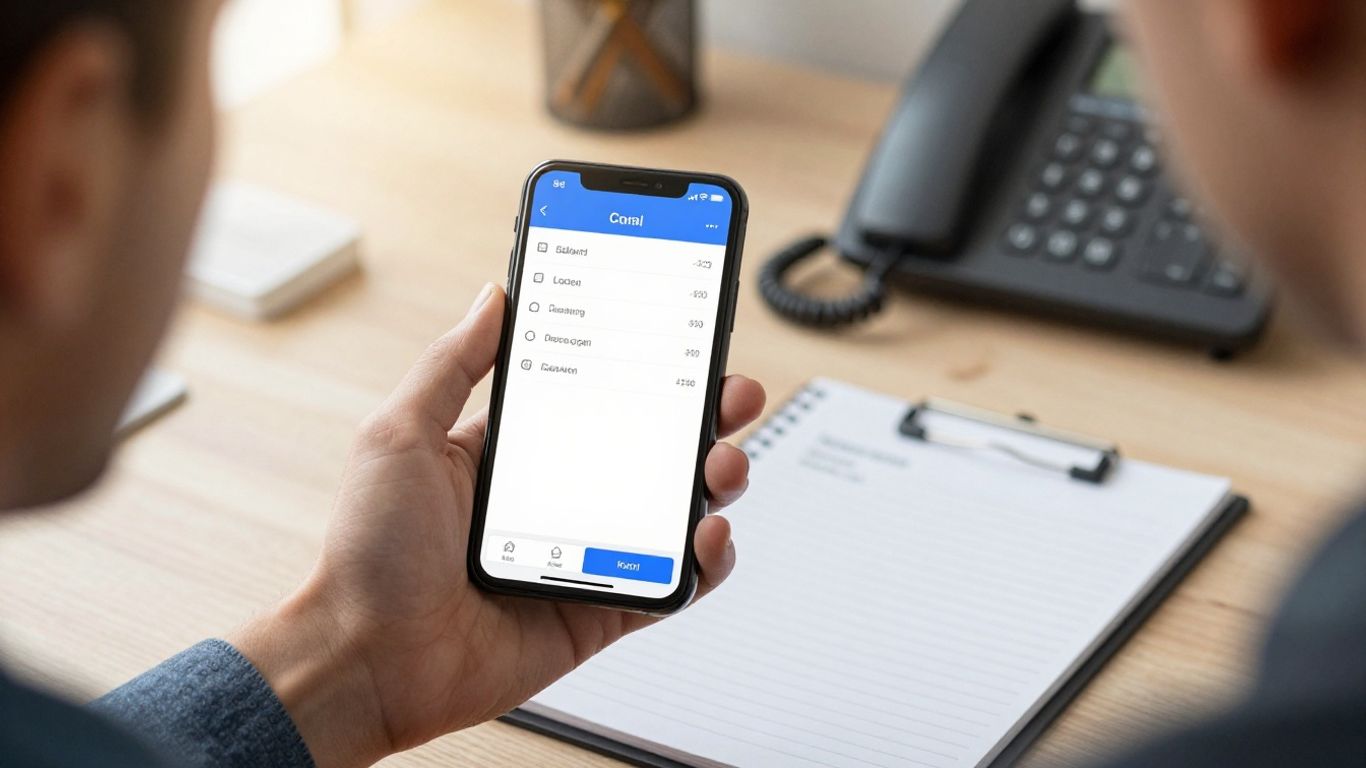
As the days get longer, we find ourselves with more opportunities to connect with clients and potential customers. But are we really seeing where those calls are coming from? That’s where good call tracking comes in. It’s not just about knowing who called; it’s about understanding the why behind the call.
Understanding Lead Sources with Advanced Call Tracking
We’ve all seen those marketing reports, but sometimes they don’t tell the whole story. A customer might see a flyer, then search online, and finally call. Without proper tracking, that initial flyer might get overlooked as a lead source. Advanced call tracking systems assign unique phone numbers to different marketing efforts. This means we can see if a call came from our website, a recent radio ad, or even a specific social media campaign. This granular data helps us focus our marketing budget where it actually works.
Here’s a simple way to think about it:
- Print Ads: Assign a dedicated number to flyers, door hangers, or local newspaper ads.
- Online Presence: Use different numbers for your website, Google Business Profile, and online directories.
- Digital Campaigns: Track calls generated from specific Google Ads or social media promotions.
We used to guess which ads were bringing in the most business. Now, with call tracking, we have clear numbers. It’s changed how we plan our advertising spend entirely.
Improving Conversion Rates Through Detailed Call Analytics
Knowing where calls come from is one thing, but what happens during the call? Call analytics go a step further. We can record calls (with proper consent, of course) and review them. This lets us see how our team is handling inquiries. Are we answering questions effectively? Are we setting appointments promptly? Are there common objections we need to address better?
Looking at call data can reveal patterns. For example, we might notice that calls received in the afternoon have a lower conversion rate. This could mean our afternoon staff needs more training, or perhaps customers are less likely to book appointments later in the day. We can also analyze:
- Call Duration: Shorter calls might indicate quick resolutions or, conversely, customers hanging up due to poor service.
- First Call Resolution: How often are we solving the customer’s issue on the first try?
- Appointment Setting Rate: What percentage of incoming calls result in a scheduled service?
By paying attention to these details, we can make targeted improvements to our sales process and customer service, ultimately leading to more booked jobs and happier clients.
Wrapping Up Our Call Handling Thoughts
As the days get longer, we’ve looked at how we handle calls and keep track of them. It’s easy to let things slide when the sun is out and we’d rather be anywhere else. But good call handling isn’t just for the dark months. We need to make sure our systems are solid all year round. This means checking in on our processes, training our teams, and using the right tools. When we do this, we make sure every customer feels heard, no matter the season. Let’s keep these practices going so we can serve everyone well.
Frequently Asked Questions
How can we answer calls faster when there are more daylight hours?
With longer days, we can make sure our team is ready to pick up calls right away. This means setting up schedules so someone is always available, especially during busy times. We can also use tools to help us manage calls better, so no one is left waiting too long for an answer. It’s all about being quick and helpful when customers reach out.
Why is tracking where our calls come from important?
Knowing where our calls originate helps us understand which advertising or marketing efforts are actually bringing in new business. If we see a lot of calls coming from a specific ad, we know that’s working well. This lets us focus our money and time on the things that bring us the most customers, making our business grow smarter.
How does looking closely at call details help us get more customers?
By reviewing the details of our calls, such as what the customer needed or how we helped them, we can find ways to do even better. We might learn what questions customers ask most often or what problems they need solved. Using this information, we can train our team to be more helpful and make sure we’re giving customers the best possible experience, which often leads to them choosing us.